
2017 Rookie Scale Extension Recap
One of the minor tweaks made in the NBA’s new Collective Bargaining Agreement involved moving up the deadline for former first-round picks on expiring rookie contracts to sign rookie scale extensions. Previously, the deadline was October 31. Starting this year, players must complete rookie scale extensions by the day before the regular season opener.
That 5:00pm CT deadline has passed, and it seems no additional players reached last-minute extension agreements with their respective teams. From 2014 to 2016, an average of eight players per year signed rookie scale extensions before the October deadline, but only four players did so this year.
Here’s a breakdown of the four rookie scale extensions agreed upon before this year’s deadline, sorted by total value. These deals will go into effect beginning in 2018/19: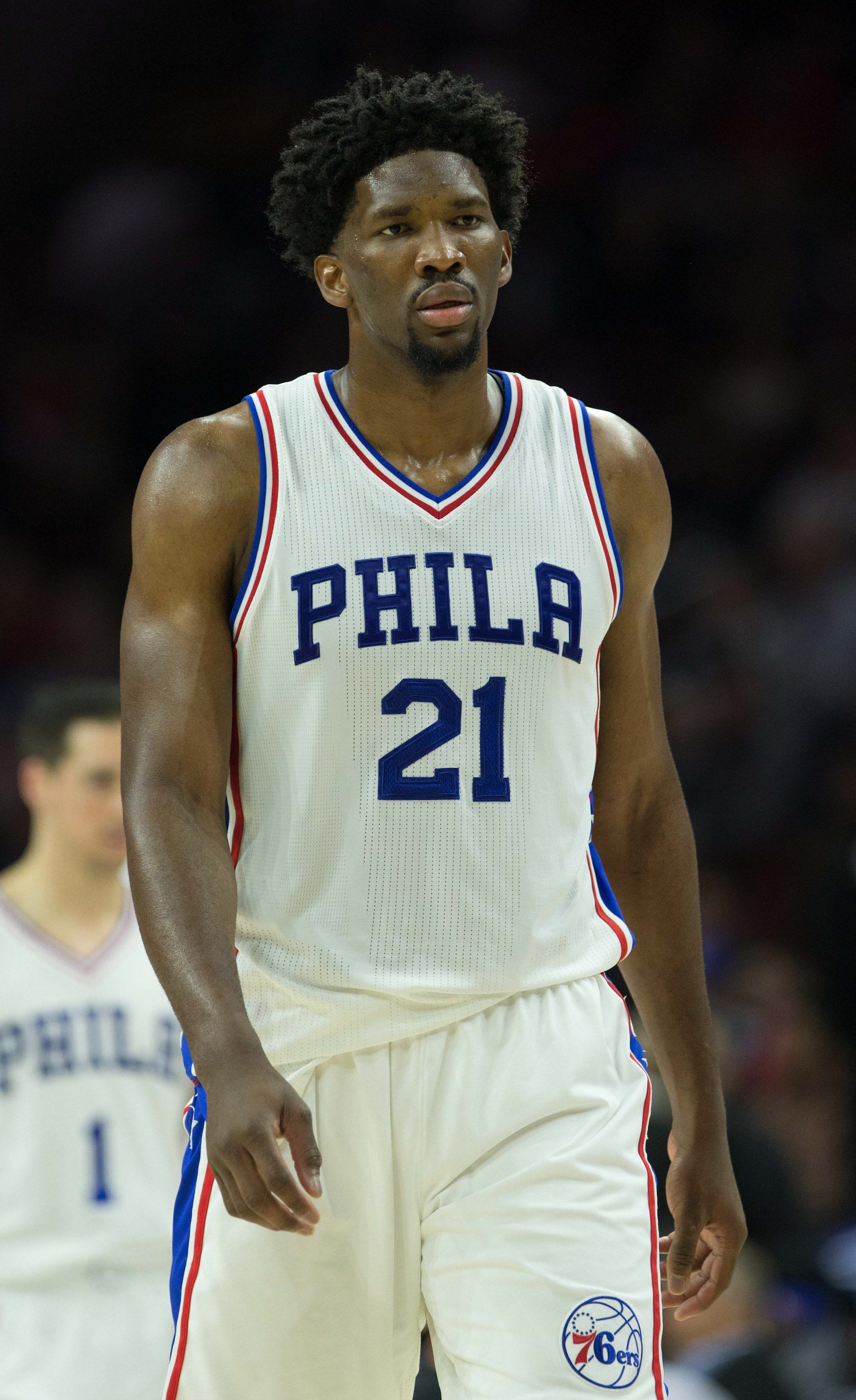
- Andrew Wiggins (Timberwolves): Five years, 25% maximum salary (story)
- Joel Embiid (Sixers): Five years, 25% maximum salary (story). Includes injury protections.
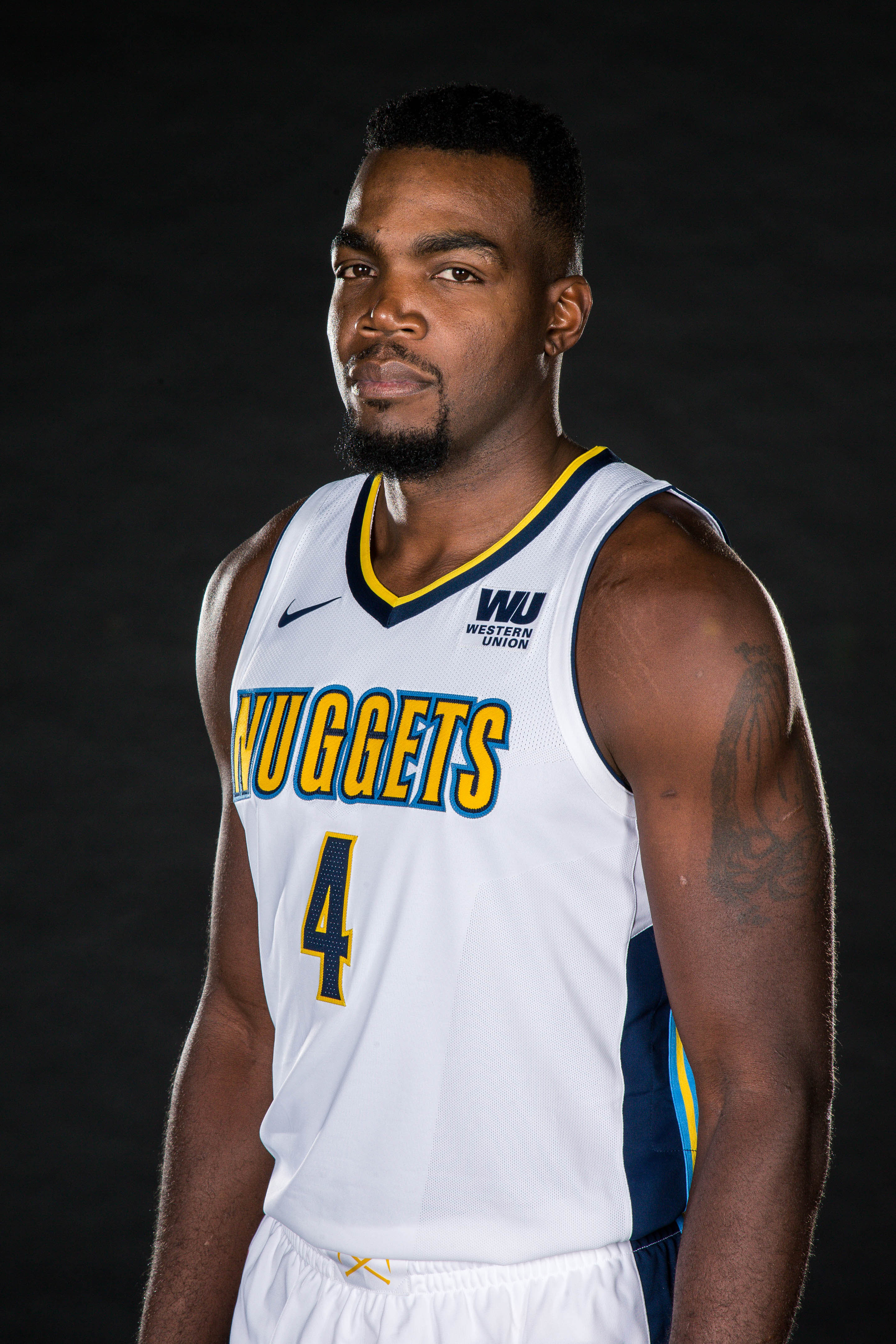
- Gary Harris (Nuggets): Four years, $74MM (story).
- T.J. Warren (Suns): Four years, $47MM (story).
The four deals completed this year make 2017 the least eventful offseason for rookie scale extensions since 2003. While the earlier deadline may have played some part in the relative inactivity this fall, it seems more teams are willing to wait an extra year to make investments in their players — perhaps they don’t expect to face stiff competition for those players in free agency next summer, when few teams will have significant cap room.
[RELATED: Rookie scale extension recaps for 2016, 2015, 2014, 2013, 2012 and the preceding five years]
With Wiggins, Embiid, Harris, and Warren locked up to new contracts, that leaves the following players, who had been eligible for rookie scale extensions, on track for restricted free agency in 2018:
- Kyle Anderson (Spurs)
- Bruno Caboclo (Raptors)
- Clint Capela (Rockets)
- Dante Exum (Jazz)
- Aaron Gordon (Magic)
- Rodney Hood (Jazz)
- Zach LaVine (Bulls)
- Doug McDermott (Knicks)
- Shabazz Napier (Trail Blazers)
- Lucas Nogueira (Raptors)
- Jusuf Nurkic (Trail Blazers)
- Jabari Parker (Bucks)
- Elfrid Payton (Magic)
- Julius Randle (Lakers)
- Marcus Smart (Celtics)
- Nik Stauskas (Sixers)
- Noah Vonleh (Trail Blazers)
Meanwhile, there are a few other members of the 2014 rookie class who were first-round picks that year, but weren’t eligible for extensions this offseason. These players had previously been waived, had one of their team options declined, or didn’t sign rookie contracts in 2014. Here are those players:
- Jordan Adams: Waived in 2016.
- Bogdan Bogdanovic: Signed rookie contract in 2017 (extension-eligible in 2020).
- Tyler Ennis: Fourth-year option declined in 2016.
- P.J. Hairston: Third-year option declined in 2015.
- Josh Huestis: Signed rookie contract in 2015 (extension-eligible in 2018).
- Mitch McGary: Waived in 2016.
- Adreian Payne: Fourth-year option declined in 2016.
- Dario Saric: Signed rookie contract in 2016 (extension-eligible in 2019).
- C.J. Wilcox: Fourth-year option declined in 2016.
- James Young: Fourth-year option declined in 2016.
Photo courtesy of USA Today Sports Images.
NBA Deadlines To Watch For October 16
The 2017/18 NBA regular season is right around the corner, with the Celtics and Cavaliers scheduled to tip off in less than 36 hours. October 16 represents the final day of the 2017 offseason, and there are plenty of deadlines that come with it, related to rosters, contract extensions, and more.
Here’s a quick rundown of the deadlines NBA teams will face throughout the day on Monday:
- Roster limits decrease from 20 players to 15. As I outlined on Sunday, most teams already ensured over the weekend that their rosters are set for the regular season, but the Grizzlies, Jazz, Mavericks, and Bulls still have moves to make.
- Last day for teams to sign a player to a rookie scale extension. Four players – Andrew Wiggins, Joel Embiid, Gary Harris, and T.J. Warren – have signed rookie scale extensions. However, 17 former first-round picks entering the final year of their rookie contracts remain extension-eligible. Here’s the full list.
- Last day for teams to sign a player to a veteran extension in certain scenarios. Essentially, any extension-eligible veteran with more than one year left on his contract won’t be able to sign an extension during the 2017/18 league year after today. A player who is eligible for a veteran extension and is entering the final year of his contract, such as Nuggets swingman Will Barton, will remain extension-eligible until June 30.
- Last day for teams to convert an Exhibit 10 contract into a two-way contract. While most teams that intended to convert an NBA contract into a two-way deal have already done so, the Mavericks will be a club to watch on this front — they could convert Gian Clavell‘s contract in order to reach the regular season roster limit.
- Last day for teams to complete sign-and-trade deals. This doesn’t figure to be relevant today, with very few sign-and-trade opportunities left.
2017 Offseason In Review: Denver Nuggets
Hoops Rumors is breaking down the 2017 offseason for all 30 NBA teams, revisiting the summer’s free agent signings, trades, draft picks, departures, and more. We’ll evaluate each team’s moves from the last several months and look ahead to what the 2017/18 season holds for all 30 franchises. Today, we’re focusing on the Denver Nuggets.
Signings:
- Paul Millsap: Three years, $91.5MM. Third-year team option.
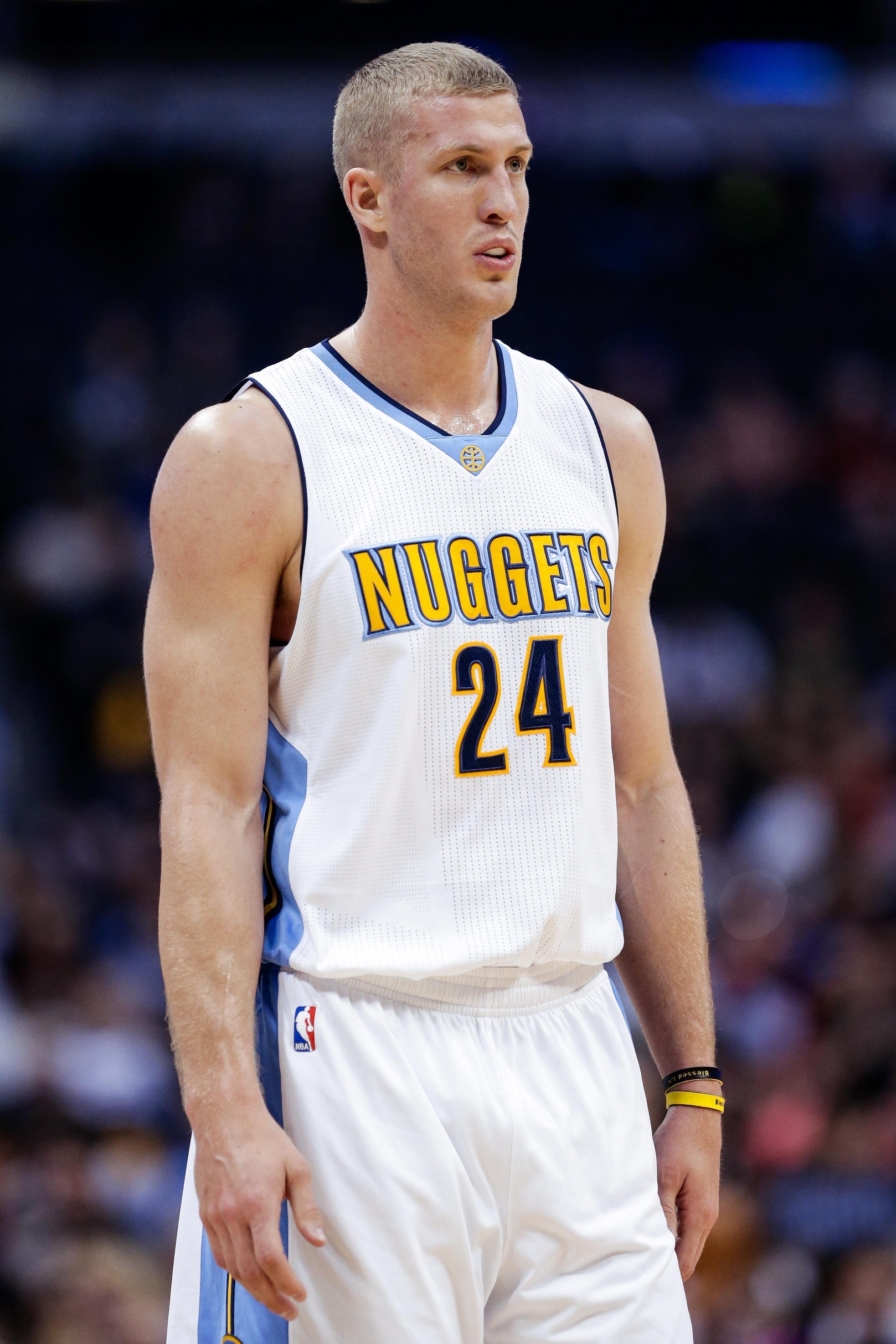
- Mason Plumlee: Three years, $41MM.
- Monte Morris: Two-way contract. Two years. $50K guaranteed for each season.
- Torrey Craig: Two-way contract. One year. $50K guaranteed.
Camp invitees:
- Josh Childress: One year, minimum salary. Summer contract. (Waived)
Trades:
- Acquired Trey Lyles and the draft rights to Tyler Lydon (No. 24 pick) from the Jazz in exchange for the draft rights to Donovan Mitchell (No. 13 pick).
- Acquired the Wizards’ 2019 second-round pick (from the Hawks) in a three-way trade with the Hawks and Clippers in exchange for Danilo Gallinari (signed-and-traded to Clippers).
Draft picks:
- 1-24: Tyler Lydon — Signed to rookie contract.
- 2-49: Vlatko Cancar — Stashed overseas.
- 2-51: Monte Morris — Signed to two-way contract.
Extensions:
- Gary Harris: Four years, $74MM. Rookie scale extension.
Departing players:
- Danilo Gallinari
- Roy Hibbert
- Mike Miller (waived)
Other offseason news:
- Exercised 2018/19 rookie scale options on Emmanuel Mudiay, Jamal Murray, Trey Lyles, Juan Hernangomez, and Malik Beasley.
- Exercised 2018/19 option on head coach Mike Malone.
- Lost associate head coach Chris Finch to Pelicans; hired David Adelman and Bob Weiss as assistant coaches.
- Promoted Tim Connelly to president of basketball operations and Arturas Karnisovas to general manager; hired Calvin Booth as assistant GM.
Salary cap situation:
- Used up cap room. Now operating over the cap, but well under the tax. Carrying approximately $104.5MM in guaranteed team salary. Room exception ($4.328MM) still available.
Check out the Denver Nuggets’ full roster and depth chart at RosterResource.com.
Story of the summer:
Since reaching the playoffs for 10 straight seasons from 2004 to 2013, primarily under George Karl, the Nuggets have been going through a transitional period for the last several years. While Denver never fully bottomed out in order to land a top-five draft pick, the club has failed to post a .500 record since 2013, winning between 30 and 40 games in each of the last four seasons.
The most positive steps forward for the franchise during that stretch came during the 2016/17 campaign, when Nikola Jokic emerged as one of the NBA’s most talented big men, and young guards Gary Harris and Jamal Murray showed the potential to develop into indispensable core pieces as well. The team narrowly missed the playoffs with a 40-42 record, but there was a sense heading into the summer that the team wasn’t far from taking a big step forward.
Armed with plenty of cap flexibility and a horde of potential trade chips, general manager Tim Connelly entered the offseason aiming to add an impact player at point guard and/or power forward to complement Jokic and the team’s depth on the wing.
Roster Moves Still Required For Four NBA Teams
After Saturday’s flurry of roster moves around the NBA, most of the league’s 30 teams are all set for the regular season. Heading into opening night, teams are allowed to carry up to 17 players — no more than 15 on their respective NBA rosters, plus an additional two on two-way contracts.
Saturday didn’t represent the deadline for teams to set the regular season rosters, but it was the last day for a club to waive a player on a fully non-guaranteed contract and avoid having his salary count against the cap. That’s why most teams have already made the necessary moves to ensure their rosters are regular-season-ready.
[RELATED: 2017/18 NBA Non-Guaranteed Salaries By Team]
However, as our roster count page shows, there are four teams who will need to make at least one more trade, cut, or other roster move before they’ll be set for the season. These moves are due by Monday afternoon.
Here are those four teams:
Chicago Bulls
- NBA contracts: 16 (13 fully guaranteed)
- Two-way contracts: 2
- The Bulls still have three players on non-guaranteed contracts — Jarell Eddie, David Nwaba, and Diamond Stone. Eddie looked like the most logical candidate to be waived, so it’s somewhat odd that Chicago didn’t make that move on Saturday. Of course, the Bulls’ team salary is well below the salary floor, so if they end up paying Eddie or Nwaba for a couple days of service, it’s hardly the end of the world. Stone already has a $50K guarantee on his contract, so he could be waived on Monday without it affecting the Bulls’ bottom line.
Dallas Mavericks
- NBA contracts: 16 (12 fully guaranteed)
- Two-way contracts: 1
- The Mavericks are already at 17 players, so the most logical move would be to convert Gian Clavell‘s NBA contract into a two-way deal and avoid waiving anyone. Dallas has held off on that move, however, with Clavell drawing some trade interest. The club will have to make a call on him – or another player with a full or partial guarantee – by Monday.
Memphis Grizzlies
- NBA contracts: 17 (16 fully guaranteed)
- Two-way contracts: 2
- No team has more work to do before Monday than the Grizzlies, who will have to trade or cut multiple players and may end up eating a decent chunk of guaranteed money. The most likely scenario would see the team waiving Jarell Martin and perhaps Andrew Harrison (or Wade Baldwin), while retaining Mario Chalmers, who only has a modest $25K guarantee. Martin, Harris, and Baldwin all have full guarantees, which is why Memphis wasn’t under pressure to make any decisions on Saturday.
Utah Jazz
- NBA contracts: 16 (15 fully guaranteed)
- Two-way contracts: 2
- Like the Grizzlies, the Jazz appear set to waive a player on a fully guaranteed salary, which is why they could afford to wait until Monday rather than getting something done on Saturday. Raul Neto, the team’s lone non-guaranteed player, appears safe, meaning the decision will likely come down to Joel Bolomboy vs. Royce O’Neale. Both players have fully guaranteed minimum salaries.
Hoops Rumors Originals: 10/7/17 – 10/14/17
Every week, the Hoops Rumors writing team compiles original content to complement our news feed. Here are our segments and features from the past seven days:
- Our Offseason in Review series, which sees us looking back at the biggest stories and roster moves of each team’s summer, continued this week with breakdowns of the Brooklyn Nets, Memphis Grizzlies, Sacramento Kings and Utah Jazz.
- Luke Adams examined five intriguing team option decisions.
- Our Community Shootaround series asked whether the NBA should shorten its 82-game schedule.
- Our Sunday Mailbag addressed questions on the Pelicans, Cedi Osman and James Young.
- Chris Crouse discussed Trey Burke‘s chances of becoming the starting point guard role in New York. Burke, who was being considered for that role, was waived today.
Could Trey Burke Win The Knicks’ Starting Point Guard Spot?
Trey Burke may have a unique opportunity to showcase his ability and make a case to stay on the Knicks’ roster for the season despite only signing with the team just days before final cuts are due.
New York currently has 15 players on the books with guaranteed salaries for the upcoming season and by virtue of not being one of those players, Burke is on the outside looking in. However, Joakim Noah will be suspended for the first 12 games of the season, meaning the team will have an additional roster spot available for those contests.
[RELATED: Knicks Sign Trey Burke]
It was reported earlier today that the Knicks view Burke as a potential G-League player. Still, the former no.9 overall pick is confident that he’ll stick with the team during Noah’s suspension and force New York to cut a player on a guaranteed deal once the big man returns.
“I believe in myself. I’m looking forward to coming out here every day and proving myself,” Burke tells ESPN’s Ian Begley (via ESPN Now link). “Obviously I want to make this roster. We know nothing is given. For me, my faith took me a long way. So I believe that I will make the roster even if no one else does so we’ll see what happens.”
Should the club trade Courtney Lee, something it appears willing to do, and choose not to take back a player in the deal, Burke would have a better shot at making the opening night roster. His main competition for the 12-game audition is veteran Jarrett Jack, who signed a non-guaranteed deal with the club last month. Absent of a trade, it seems there’s a battle between an aging veteran and a former lottery pick who never reached his potential.
Jack came to New York’s training camp looking to prove that he’s healthy after a knee injury ended his 2016/17 campaign. The point guard hasn’t had any setbacks during the team’s three preseason games. He scored 22 points and dished out 12 assists over 69 minutes of action.
Projected starting point guard Ron Baker missed a couple of preseason games with an ankle injury and No. 8 overall pick Frank Ntilikina hasn’t been able to suit up yet because of a knee ailment. The injury woes likely compelled the team to bring in another option to run the point.
None of the team’s point guard options make a particularly strong case to start. The Knicks appear willing to take things slow with Ntilikina. Baker is likely best-suited for a reserve role; same with Jack if he makes the squad, though both players are capable of running the show, especially considering New York’s lack of stellar expectations this season. New addition Ramon Sessions got a pair of starts this preseason, though he didn’t exactly light the world on fire, tallying just 11 assists over 56 minutes of action.
The Knicks have one more preseason game remaining (Friday against the Wizards) and if Burke shines, he could find himself on the opening night roster. With that comes a dozen games to prove he belongs not only on the team, but also in the first-unit alongside his former college teammate Tim Hardaway Jr.
Burke faces an uphill battle to win a starting spot. However, the Knicks’ lack of top-notch options, coupled with Burke’s presumed familiarity with the team’s second-highest-paid player, give this former National Player of the Year award recipient a chance to become the franchise’s top floor general.
Will Burke make the opening night roster and will he be able to carve out a role with the Knicks?
Let us know your thoughts and opinions in the comment section below. We look forward to what you have to say!
2017 Offseason In Review: Brooklyn Nets
Hoops Rumors is breaking down the 2017 offseason for all 30 NBA teams, revisiting the summer’s free agent signings, trades, draft picks, departures, and more. We’ll evaluate each team’s moves from the last several months and look ahead to what the 2017/18 season holds for all 30 franchises. Today, we’re focusing on the Brooklyn Nets.
Signings: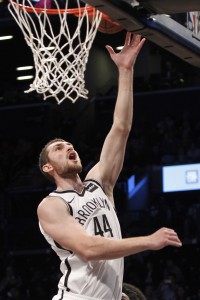
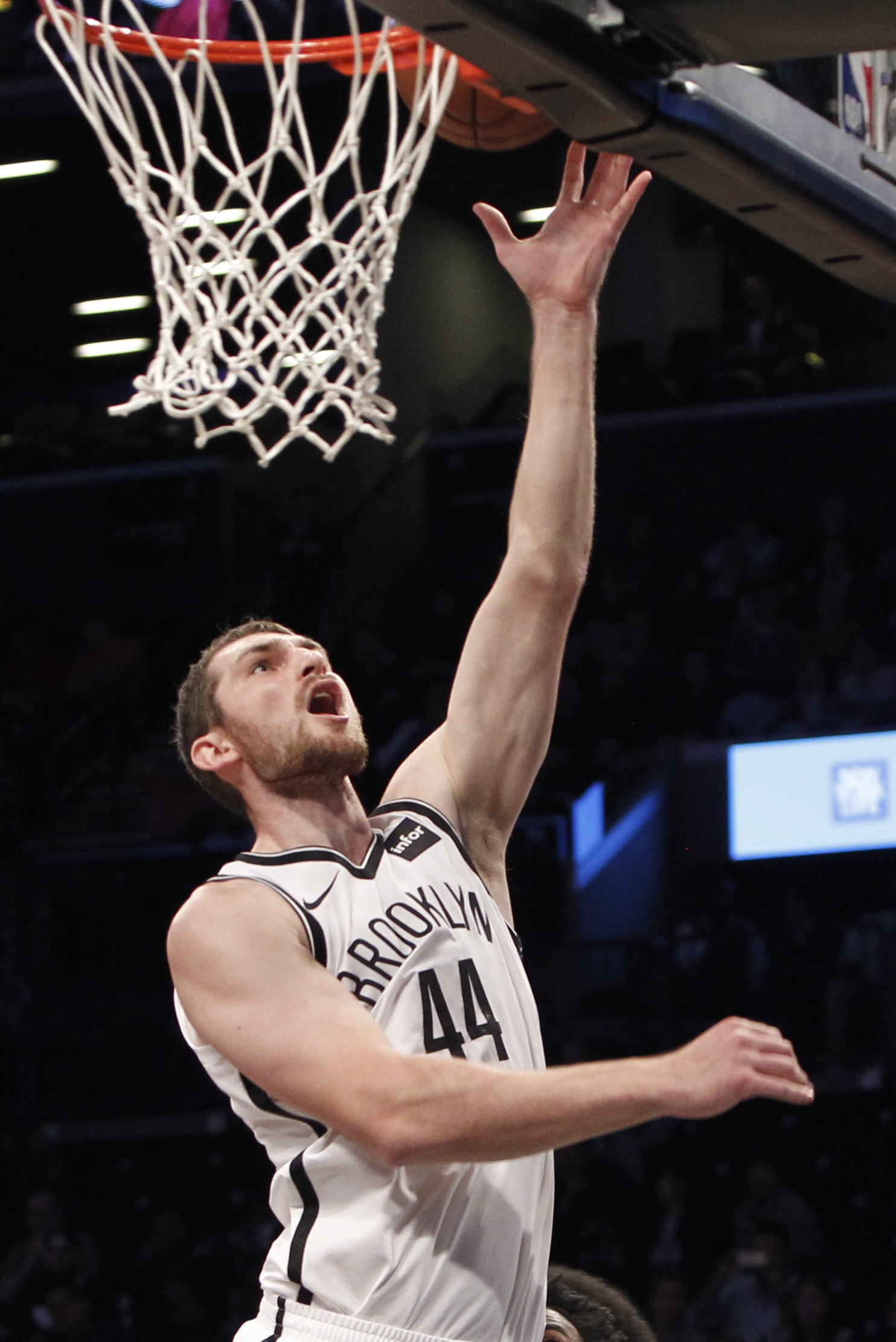
- Tyler Zeller: Two years, minimum salary. Second year non-guaranteed.
- Yakuba Ouattara: Two-way contract. One year. $50K guaranteed.
- Jacob Wiley: Two-way contract. Two years. $50K guaranteed.
Camp invitees:
- Milton Doyle: One year, minimum salary. Exhibits nine and 10.
- Akil Mitchell: One year, minimum salary. Exhibits nine and 10.
- Jeremy Senglin: One year, minimum salary. Exhibits nine and 10.
Trades:
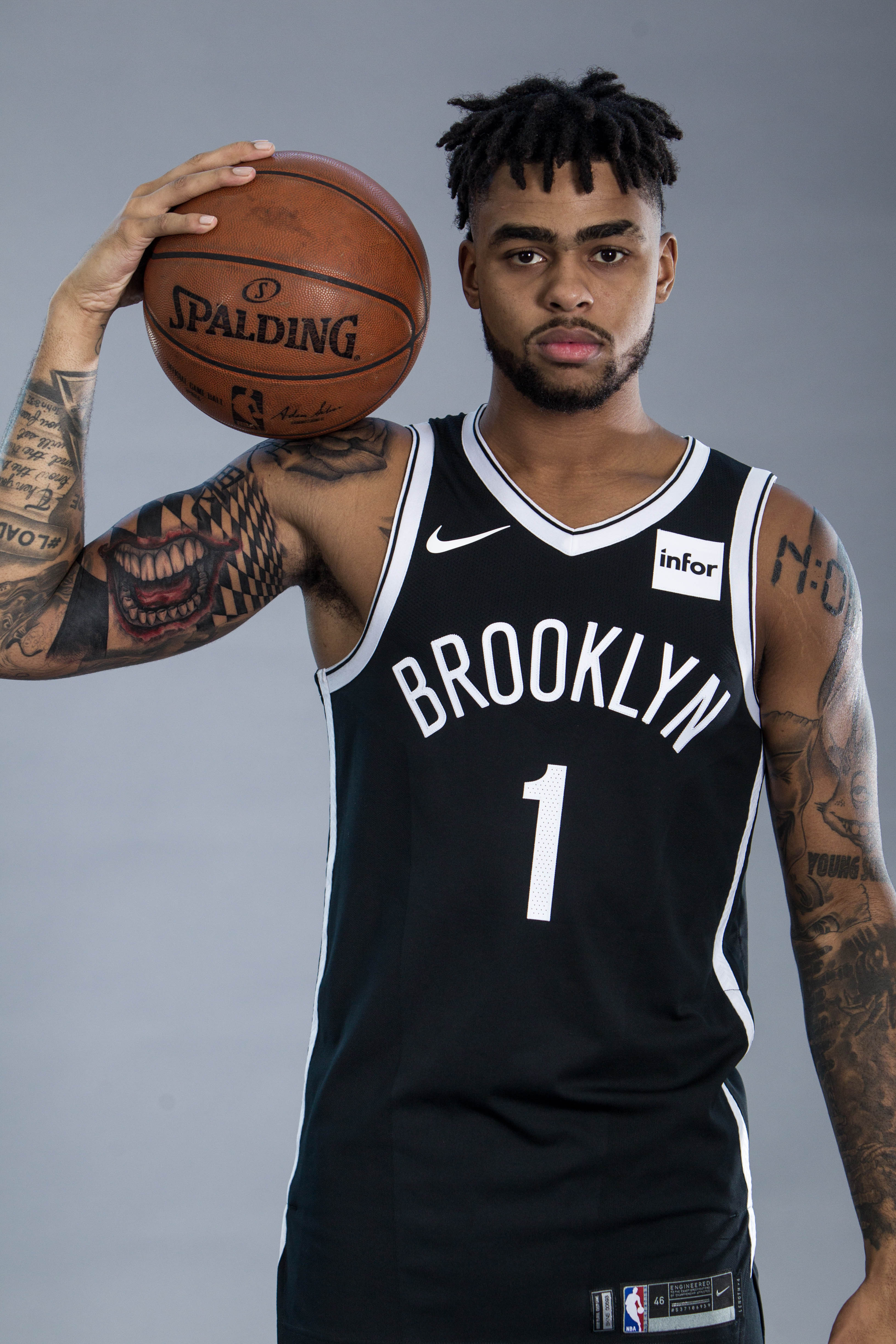
- Acquired D’Angelo Russell and Timofey Mozgov from the Lakers in exchange for Brook Lopez and the draft rights to Kyle Kuzma (No. 27 pick).
- Acquired DeMarre Carroll, the Raptors’ 2018 first-round pick (top-14 protected), and a 2018 second-round pick from the Raptors in exchange for Justin Hamilton.
- Note: 2018 second-round pick will be the less favorable of the Lakers’ and Magic’s picks.
- Acquired Allen Crabbe from the Trail Blazers in exchange for Andrew Nicholson.
Draft picks:
- 1-22: Jarrett Allen — Signed to rookie contract.
- 2-57: Aleksandar Vezenkov — Stashed overseas.
Departing players:
- Randy Foye
- Archie Goodwin (waived)
- Justin Hamilton
- Brook Lopez
- K.J. McDaniels (declined team option)
- Andrew Nicholson
Other offseason news:
- Signed Otto Porter to four-year, maximum salary offer sheet; matched by Wizards.
- Mikhail Prokhorov looking to sell 49% stake in Nets.
Salary cap situation:
- Operating under the cap, but over the salary floor. Can create up to nearly $5MM in cap room (carrying approximately $94MM in team salary). Room exception ($4.328MM) still available if/when cap room used.
Check out the Brooklyn Nets’ full roster and depth chart at RosterResource.com.
Story of the summer:
Rebuilding the Nets’ roster has been a slow and challenging process, due in large part to the 2013 trade that gave the Celtics control of several of Brooklyn’s future first-round picks. Heading into the 2017 offseason, the Nets at least owned the Celtics’ pick as a result of a pick swap, and they held the Wizards’ first-rounder as well. But those selections both fell in the 20s — the Nets’ own pick, held by Boston, landed at No. 1 overall.
Refusing to dwell on the fact that a trade made by the old regime cost the present-day Nets a chance to draft a possible franchise player, Brooklyn’s current management group made the most of the assets at its disposal as the team sought out an impact guy. This meant leveraging the Nets’ remaining draft picks and cap room in trades with the Lakers, Raptors, and Trail Blazers to secure rotation players, future picks, and one potential star.
Given their limited assets, the Nets weren’t able to transform the roster from bottom-dweller to legit contender over the summer, but the front office did impressive work this offseason adding talent while maintaining future flexibility. By the time Brooklyn regains control of its own first-round pick in 2019, the club should be well on its way to building a roster capable of returning to the playoffs.
2017 Offseason In Review: Sacramento Kings
Hoops Rumors is breaking down the 2017 offseason for all 30 NBA teams, revisiting the summer’s free agent signings, trades, draft picks, departures, and more. We’ll evaluate each team’s moves from the last several months and look ahead to what the 2017/18 season holds for all 30 franchises. Today, we’re focusing on the Sacramento Kings.
Signings: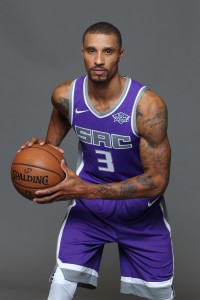
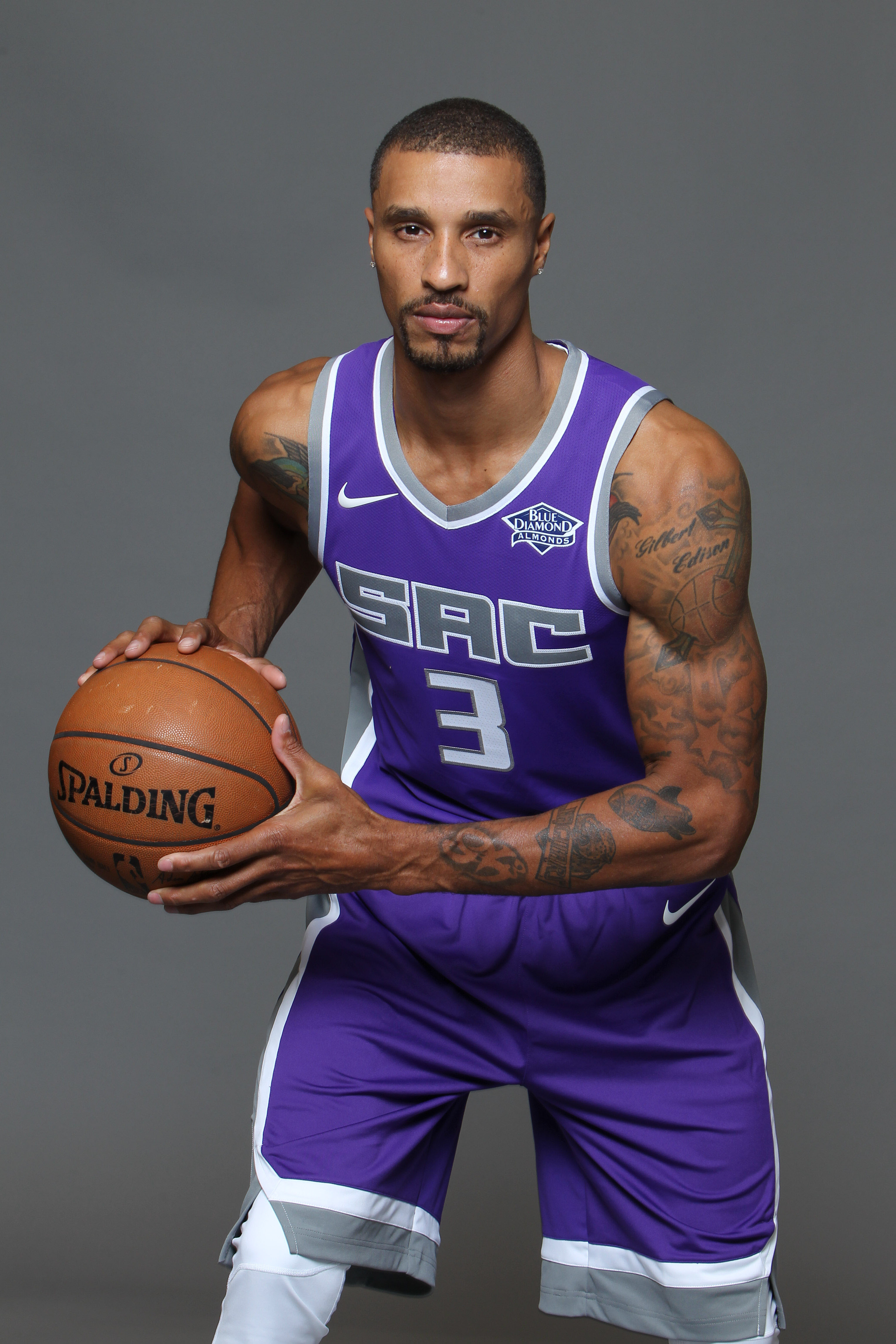
- George Hill: Three years, $57MM. Third year partially guaranteed ($1MM).
- Zach Randolph: Two years, $24MM.
- Vince Carter: One year, $8MM.
- Jack Cooley: Two-way contract. One year. $50K guaranteed.
- JaKarr Sampson: Two-way contract. One year. $50K guaranteed.
Camp invitees:
- Matt Jones: One year, minimum salary. Exhibits nine and 10.
- Marcus Williams: One year, minimum salary. Summer contract with exhibit nine.
Trades:
- Acquired the draft rights to Justin Jackson (No. 15 pick) and Harry Giles (No. 20 pick) from the Trail Blazers in exchange for the rights to Zach Collins (No. 10 pick).
- Acquired a 2019 second-round pick and cash ($400K) from the Knicks in exchange for the right to hire Scott Perry.
- Note: 2019 second-round pick will be the second-most favorable of Cavaliers’, Rockets’, and Magic’s picks.
Draft picks:
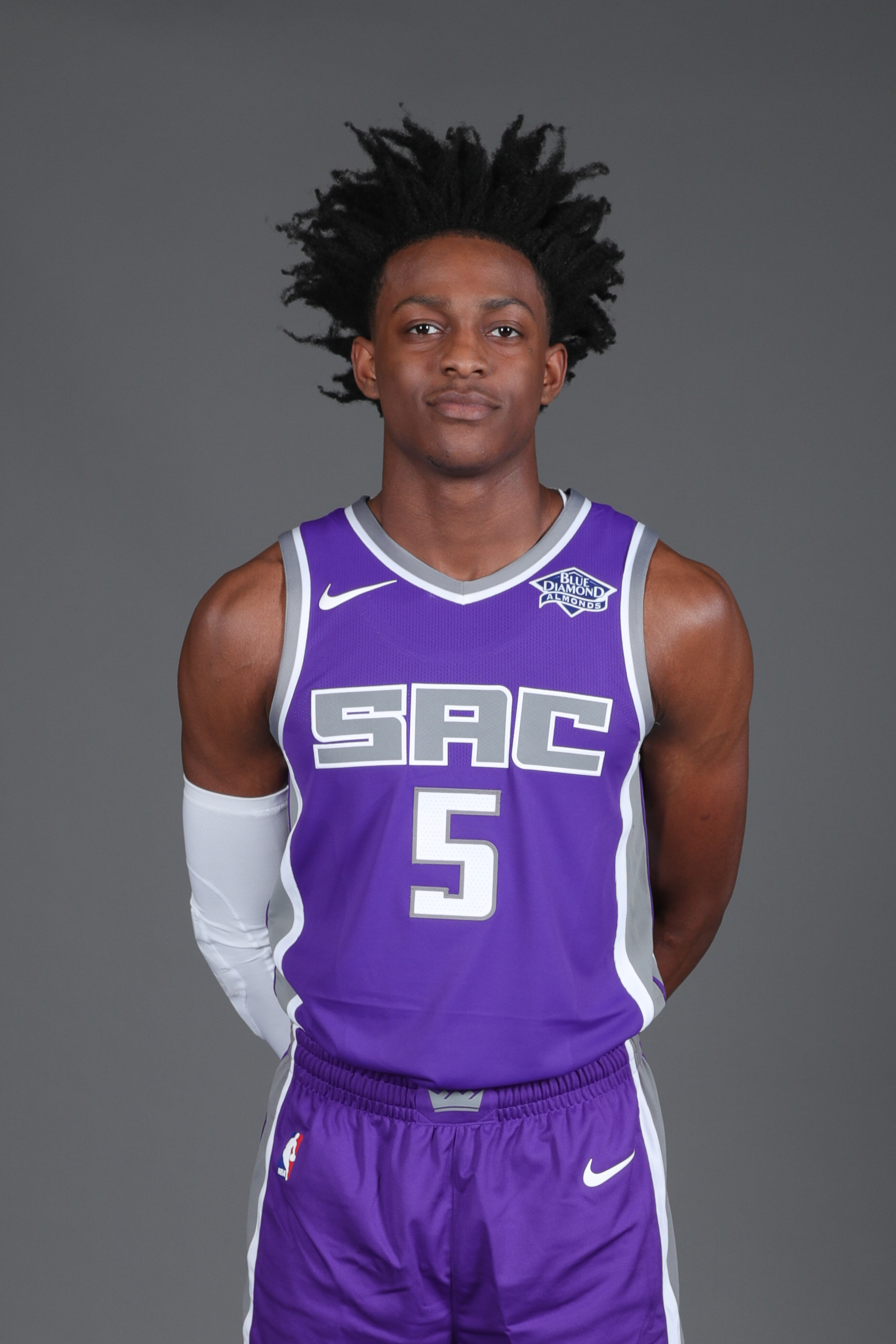
- 1-5: De’Aaron Fox — Signed to rookie contract.
- 1-15: Justin Jackson — Signed to rookie contract.
- 1-20: Harry Giles — Signed to rookie contract.
- 2-34: Frank Mason — Signed to three year, $4.181MM contract. Third year non-guaranteed.
Draft-and-stash signings:
- Bogdan Bogdanovic (2014; No. 27) — Signed to three-year, $27MM contract.
Departing players:
- Arron Afflalo (waived)
- Darren Collison
- Tyreke Evans
- Langston Galloway
- Rudy Gay
- Ty Lawson
- Ben McLemore
- Anthony Tolliver (waived)
Other offseason news:
- Harry Giles will be out through at least January due to history of knee injuries.
- Extended general manager Vlade Divac through 2019/20 and exercised head coach Dave Joerger‘s option for ’19/20.
- Hired Scott Perry as executive VP of basketball operations, then lost him to Knicks.
- Hired Brandon Williams as assistant general manager.
- Zach Randolph agreed to plea deal after being arrested on marijuana charges.
Salary cap situation:
- Operating under the cap, but over the salary floor. Can create up to $4MM+ in cap room (carrying approximately $95MM in team salary). Room exception ($4.328MM) still available if/when cap room used.
Check out the Sacramento Kings’ full roster and depth chart at RosterResource.com.
Story of the summer:
The Kings have traditionally done things in an unconventional fashion. This offseason was no different, as they lavished free agent contracts on some big-name veterans, including two in the twilight of their careers.
Signing George Hill, Zach Randolph and Vince Carter doesn’t make much sense on the surface. None of those players will be on the roster by the time the Kings become a playoff contender. It’s also a head-scratcher for those players to choose a floundering franchise that traded away its best player, DeMarcus Cousins, last February in a heavily-criticized deal.
The Sacramento brass had a ulterior motive for bringing in the trio. The team decided that the youngsters dotting the remainder of the roster needed proven winners to facilitate the mentoring process.
Hill, who got a front-loaded deal with $39MM in guarantees the first two seasons, will guide lottery pick De’Aaron Fox through the process of becoming a dependable NBA floor leader. Randolph will provide low-post tips to second-year man Skal Labissiere and third-year center Willie Cauley-Stein. Carter will show rookie Justin Jackson and second-year guard Buddy Hield the ropes on how to become top-notch wing players.
The results of those signings won’t be based upon how many games the Kings win this season, but rather how quickly their younger players develop.
2017 Offseason In Review: Utah Jazz
Hoops Rumors is breaking down the 2017 offseason for all 30 NBA teams, revisiting the summer’s free agent signings, trades, draft picks, departures, and more. We’ll evaluate each team’s moves from the last several months and look ahead to what the 2017/18 season holds for all 30 franchises. Today, we’re focusing on the Utah Jazz.
Signings:
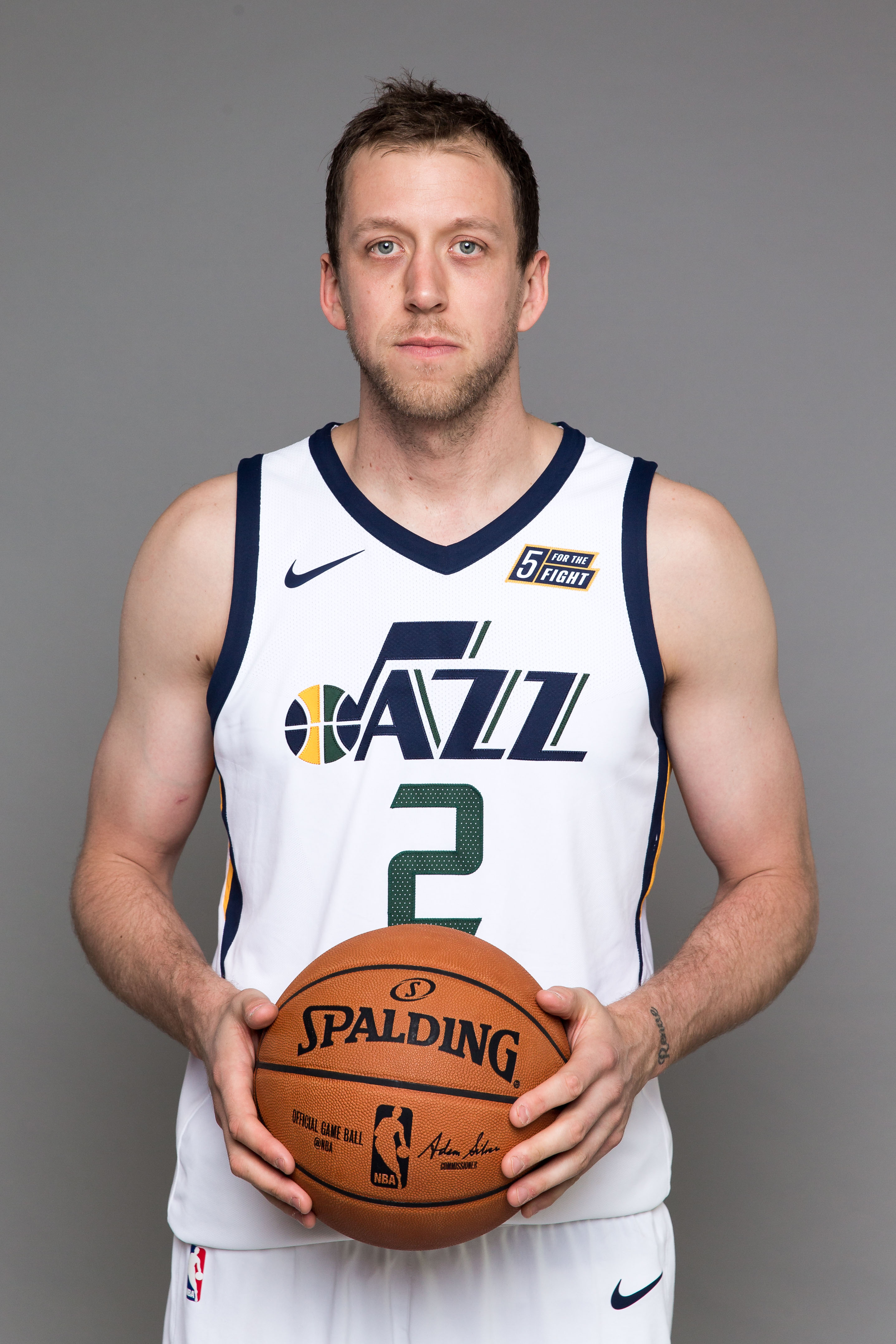
- Joe Ingles: Four years, $50MM.
- Thabo Sefolosha: Two years, $10.5MM. Second year non-guaranteed.
- Jonas Jerebko: Two years, $8.2MM. Second year non-guaranteed.
- Ekpe Udoh: Two years, $6.5MM. Second year non-guaranteed.
- Royce O’Neale: Three years, minimum salary. Second and third years non-guaranteed.
- Eric Griffin: Two-way contract. One year. $50K guaranteed.
- Nate Wolters: Two-way contract. One year. $50K guaranteed.
Camp invitees:
- Taylor Braun: One year, minimum salary. Exhibits nine and 10. (Waived)
- Naz Mitrou-Long: One year, minimum salary. Exhibits nine and 10.
- Torian Graham: Exact details not yet known.
Trades:
- Acquired the draft rights to Donovan Mitchell (No. 13 pick) from the Nuggets in exchange for Trey Lyles and the draft rights to Tyler Lydon (No. 24 pick).
- Acquired the draft rights to Tony Bradley (No. 28 pick) from the Lakers in exchange for the draft rights to Josh Hart (No. 30 pick) and Thomas Bryant (No. 42 pick).
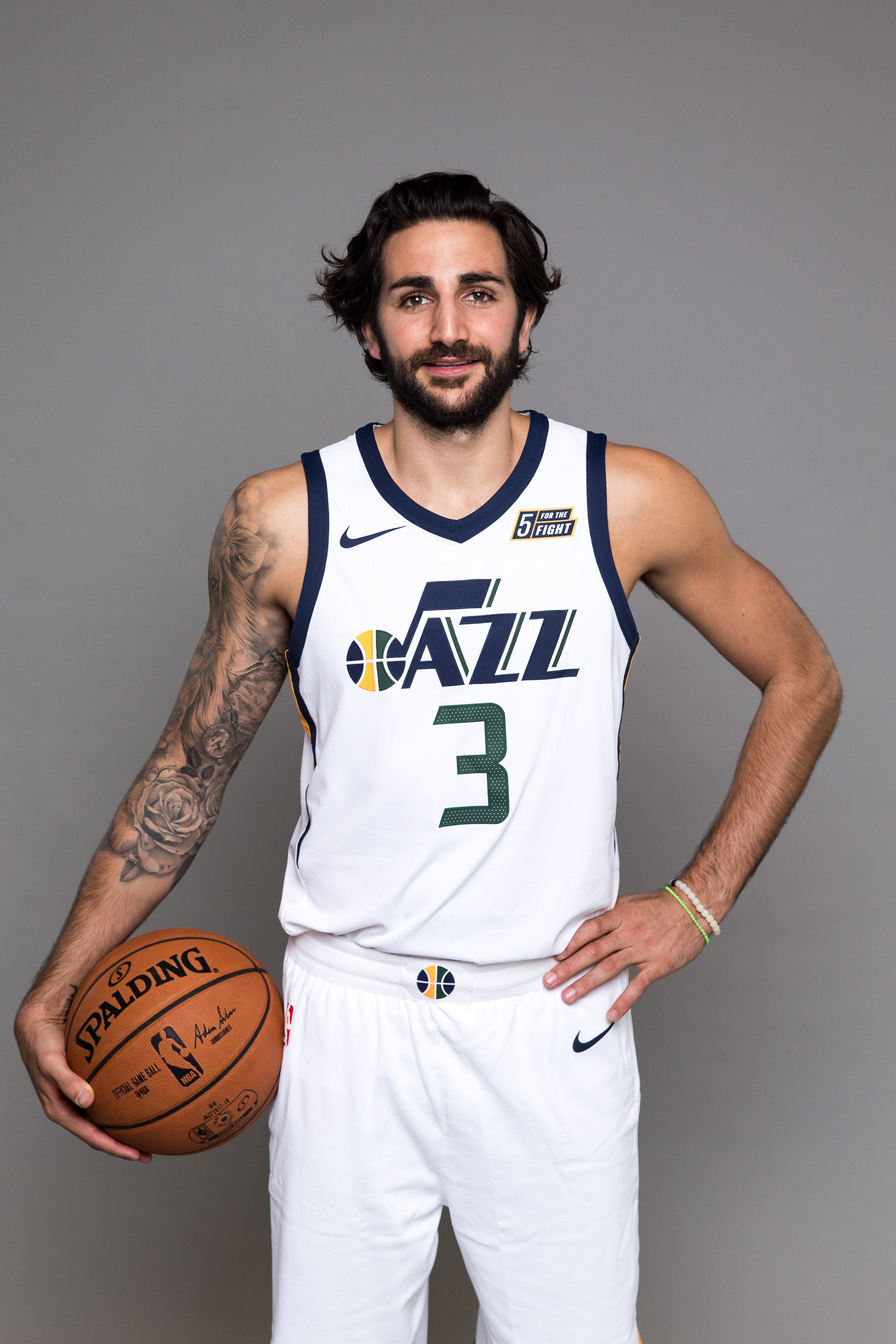
- Acquired Ricky Rubio from the Timberwolves in exchange for the Thunder’s 2018 first-round pick (top-14 protected).
Draft picks:
- 1-13: Donovan Mitchell — Signed to rookie contract.
- 1-28: Tony Bradley — Signed to rookie contract.
- 2-55: Nigel Williams-Goss — Stashed overseas.
Departing players:
- Boris Diaw (waived)
- Gordon Hayward
- George Hill
- Trey Lyles
- Shelvin Mack
- Jeff Withey
Other offseason news:
- Hired David Morway and Justin Zanik as assistant general managers.
Salary cap situation:
- Used cap room; now operating over the cap, but under the tax. Carrying approximately $110MM in guaranteed salaries. Approximately $1.128MM of room exception still available. Otherwise, only minimum salary exception available.
Check out the Utah Jazz’s full roster and depth chart at RosterResource.com.
Story of the summer:
There’s no denying that Utah’s biggest priority heading into the summer was to retain the services of Gordon Hayward, a free agent after seven seasons with the Jazz. Alas, the Butler product left the only NBA franchise he ever knew to reunite with former Butler head coach Brad Stevens as a Celtic.
While the Jazz may have been devastated by the move, they weren’t blindsided, and they ended up stringing together an offseason with upsides that ease the pain of their All-Star’s exit.
Hayward was an excellent asset for the Jazz, but Rudy Gobert and the system installed by coach Quin Snyder have been equally important to the franchise’s recent success. With a host of compelling young players eager to develop and take advantage of a newfound opportunity, 2017/18 may not be so bad after all.
Five Looming Team Option Decisions To Watch
NBA rookie contracts for first round picks feature a pair of team options in years three and four, and – unlike standard team options – the deadline for those decisions doesn’t fall on June 30. If a team wants to exercise its 2018/19 option for a player on a rookie contract, that team must do so this month, with an October 31 deadline looming.
Despite being forced to make decisions a year early, most teams simply pick up their club options on rookie-scale players. Even players who have underwhelming rookie seasons deserve an extra year or two to prove their value, and rookie-scale salaries are generally inexpensive, making them a worthwhile investment for NBA teams.
Still, not every former first round pick is worth keeping around for four full seasons on his rookie contract. With the help of our full list of 2018/19 rookie scale team options, here are five players who aren’t locks to have their options for next season exercised this month:
 Jarell Martin, Grizzlies (fourth year, $2,416,222): A report at the start of training camp indicated that the Grizzlies had informed Martin he’d be waived, but had given him the opportunity to stick with the club for the preseason to help boost his stock. He has done just that in the early going, scoring 16 points in 22 minutes in his preseason debut, then nearly recording a double-double (eight points, nine rebounds) in just 13 minutes against the Sixers. Even if the Grizzlies remain prepared to move on from him, it will be interesting to see whether the team finds a taker on the trade market — a new team may be more willing to keep Martin around and perhaps pick up his 2018/19 option.
- Cameron Payne, Bulls (fourth year, $3,263,294): It seems unfathomable that the Bulls would decline this option just months after making Payne the centerpiece of a deadline-day deal that saw them give up Doug McDermott, Taj Gibson, and their 2018 second-round pick. However, the early reviews on Payne in Chicago were negative, and he continues to be plagued by foot issues. If the Bulls want to maximize their cap flexibility in 2018, they’ll have to think hard about letting Payne become an unrestricted free agent.
- Kevon Looney, Warriors (fourth year, $2,227,081): The Warriors will likely have the NBA’s highest tax bill this season, and figure to be well over the threshold next year too. That means Looney’s fairly modest $2.23MM salary will be worth exponentially more in tax payments. The former UCLA standout has only played 468 total minutes in his first two NBA seasons, so unless the Warriors plan on having him take on a much larger role in year three, it may make sense to turn down this option — the Dubs can get more bang for their buck by signing a minimum-salary veteran.
- Josh Huestis, Thunder (fourth year, $2,243,326): Even after being stashed in the G League for his first professional season, Huestis hasn’t proven ready to contribute during his first two years with the Thunder — he has played in just seven regular season NBA games. Oklahoma City doesn’t have a deep roster this season after completing a pair of two-for-one trades for Paul George and Carmelo Anthony, so now would be the time for Huestis to step up. If the taxpaying Thunder aren’t confident he can do so, they should re-allocate their 2018/19 money elsewhere.
- Rashad Vaughn, Bucks (fourth year, $2,901,565): The Bucks’ roster is littered with promising young players expected to be part of the long-term core in Milwaukee, but Vaughn has remained on the outside of that group looking in. A former 17th overall pick, Vaughn has struggled mightily during his first two NBA seasons, with a shooting line of just .327/.303/.700 in 111 games. Still, the 6’6″ guard has looked good in the preseason, and is still just 21 years old, which will make the Bucks reluctant to give up on his potential quite yet.
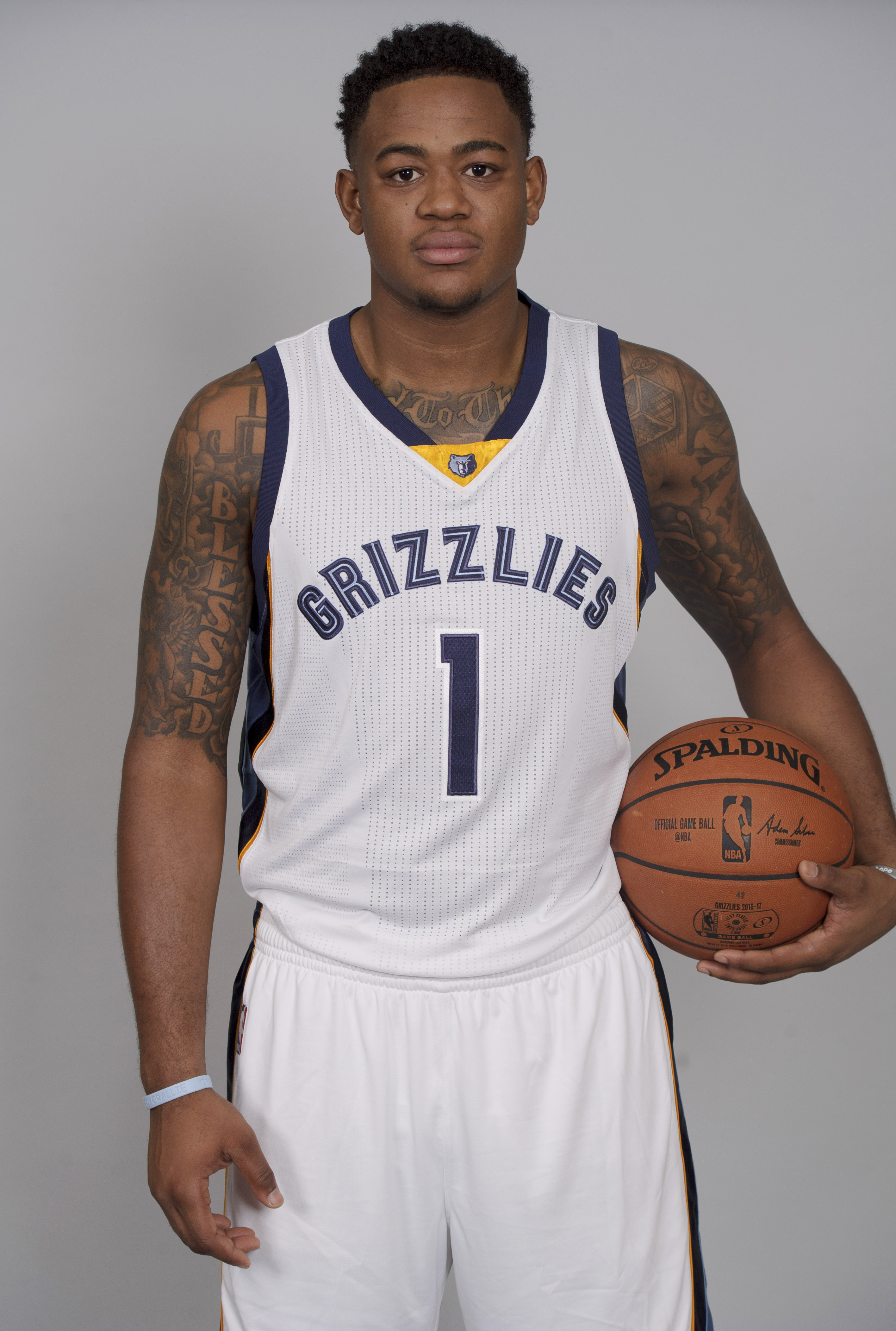
Photo courtesy of USA Today Sports Images.