
2017 Offseason In Review: Memphis Grizzlies
Hoops Rumors is breaking down the 2017 offseason for all 30 NBA teams, revisiting the summer’s free agent signings, trades, draft picks, departures, and more. We’ll evaluate each team’s moves from the last several months and look ahead to what the 2017/18 season holds for all 30 franchises. Today, we’re focusing on the Memphis Grizzlies.
Signings: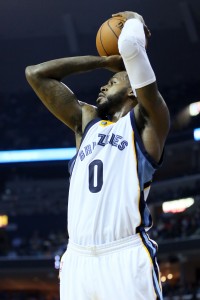
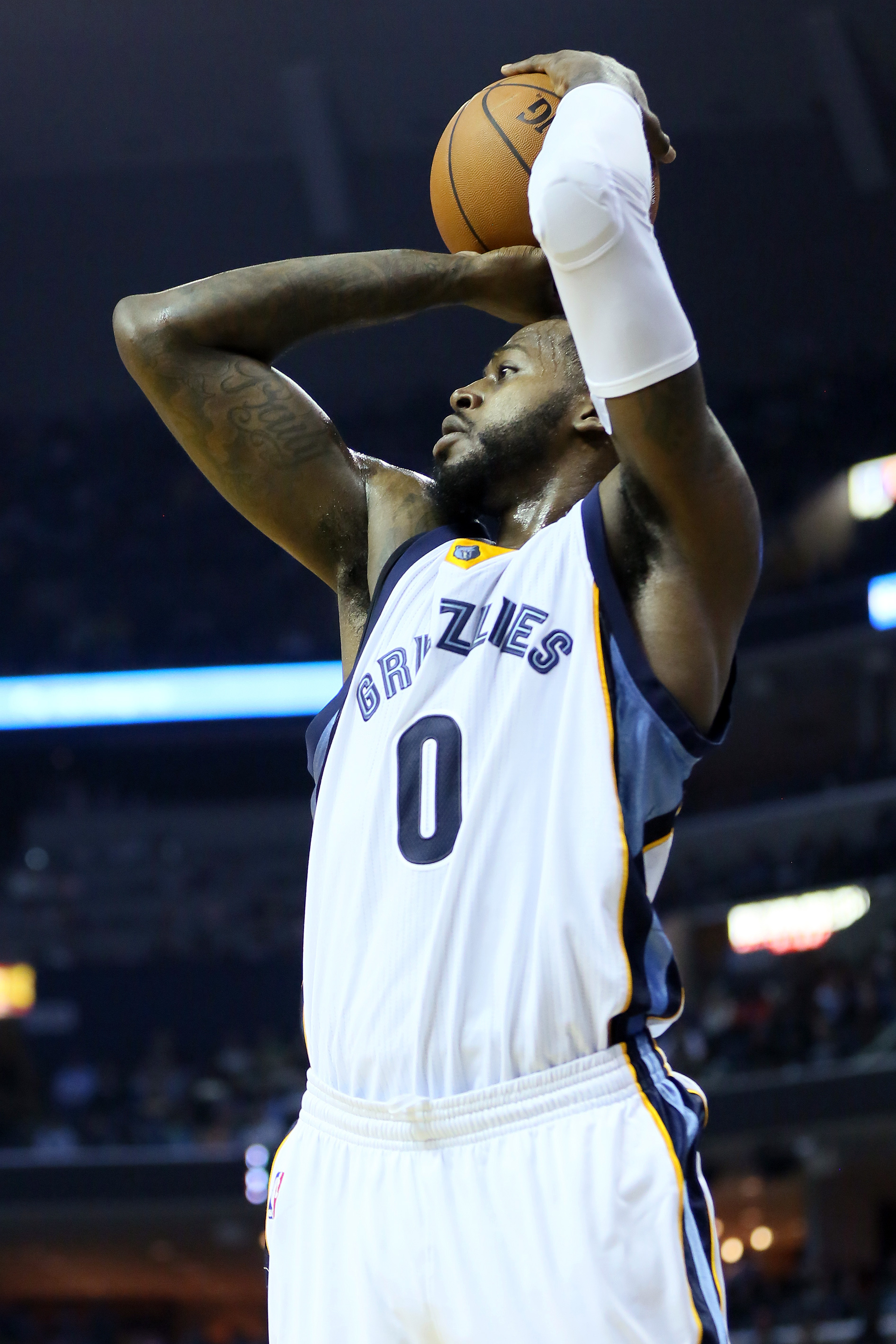
- JaMychal Green: Two years, $16.4MM.
- Ben McLemore: Two years, $10.66MM.
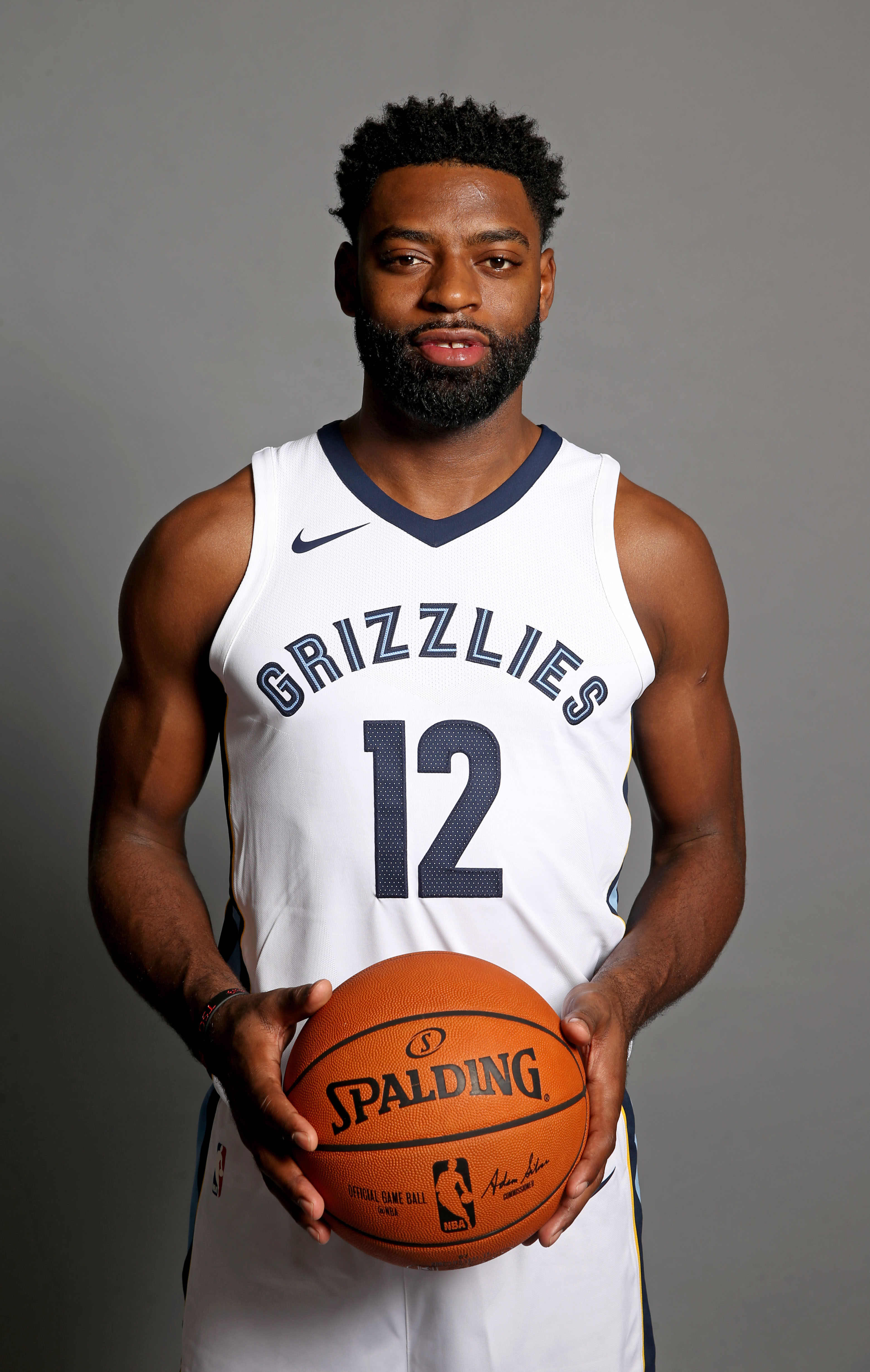
- Tyreke Evans: One year, $3.29MM.
- Wayne Selden: Two years, minimum salary. Second year partially guaranteed ($772K).
- Kobi Simmons: Two-way contract. Two years. $50K guaranteed in each season.
- Vince Hunter: Two-way contract. Two years. $50K guaranteed.
Camp invitees:
- Mario Chalmers: One year, minimum salary. Partially guaranteed ($25K).
- Jeremy Morgan: One year, minimum salary. Summer contract. (Waived)
- Durand Scott: One year, minimum salary. Exact details not yet known.
Trades:
- Acquired the draft rights to Ivan Rabb (No. 35 pick) from the Magic in exchange for the Nets’ 2019 second-round pick.
- Acquired the draft rights to Dillon Brooks (No. 45 pick) from the Rockets in exchange for a 2018 second-round pick.
- Note: 2018 second-rounder will be the least favorable of the Grizzlies’, Hornets’, and Heat’s picks.
- Acquired the Suns’ 2018 second-round pick (top-55 protected) from the Suns in exchange for Troy Daniels and a 2018 second-round pick.
- Note: 2018 second-rounder will be second-most favorable of the Grizzlies’, Hornets’, and Heat’s picks.
Draft picks:
- 2-35: Ivan Rabb — Signed to three-year, $3.947MM contract. Third-year team option.
- 2-45: Dillon Brooks — Signed to three-year, minimum salary contract. Third year non-guaranteed.
Draft-and-stash signings:
- Rade Zagorac (2016; No. 35) — Signed to three-year, $3.947MM contract. Third-year team option.
Departing players:
- Tony Allen
- Vince Carter
- Troy Daniels
- Zach Randolph
Other offseason news:
- Hired Tayshaun Prince as special assistant to GM Chris Wallace.
- Ben McLemore expected to be out until November with foot injury.
- Introduced new G League expansion team, the Memphis Hustle.
- Changes to ownership structure are possible.
Salary cap situation:
- Operating over the cap, but under the tax. Hard-capped. Carrying approximately $110.5MM in guaranteed salaries. Approximately $490K of mid-level exception still available. Otherwise, only minimum salary exception available.
Check out the Memphis Grizzlies’ full roster and depth chart at RosterResource.com.
Story of the summer:
The Grizzlies faced a few difficult questions this summer and made the rational decision to let some of their most beloved veterans walk. It wouldn’t have been financially prudent to chase Zach Randolph or Vince Carter, and even bringing back Tony Allen would have limited the club’s flexibility heading forward.
If that means that the Grizzlies have come to grips with their reality as a good-but-not-great team in the West, then they can start trying other things to get over the hump.
The Grizzlies didn’t just sit idly by as their veterans signed contracts elsewhere — they strung together a series of investments in players that could use a fresh start. Considering that Memphis’ de facto calling card has been bringing out the best in underrated players, additions like those of Tyreke Evans and even Ben McLemore could end up looking particularly savvy once they’ve been exposed to the franchise’s successful system.
Weekly Mailbag: 10/2/17 – 10/8/17
We have an opportunity for you to hit us up with your questions in this, our weekly mailbag feature. Have a question regarding player movement, the salary cap or the NBA draft? Drop us a line at HoopsRumorsMailbag@Gmail.com.
How do you expect Rajon Rondo and Jrue Holiday to fit in with Anthony Davis and DeMarcus Cousins this year? — Leonard Carollo
On paper, it seems like an odd pairing as neither Rondo or Holiday is a prolific outside shooter who can provide spacing for the All-Star big men. Also, Rondo is 6’1″ and Holiday is 6’3″, so that gives the Pelicans a small backcourt that invites post-ups by opposing guards. On the other hand, Rondo and Cousins developed a chemistry during their season together in Sacramento in 2015/16, with Rondo leading the league in assists and Cousins averaging 26.9 points per game. New Orleans certainly elevated its talent level over the summer, but may need to find another shooter or two to contend for a playoff spot.
Cedi Osman seems like a star for Turkey. Do you think he’ll be a major contributor for the Cavaliers this season or just warm the bench? — Greg Dizon
Osman may have a bright future in the NBA, but the Cavs are built to contend for a title and there won’t be many minutes for any rookie, even a 22-year-old with extensive international experience. Cleveland sees Osman as part of its future. Former GM David Griffin acquired his rights in the 2015 deal that sent Tyus Jones to Minnesota, and the Cavs decided to dedicate a roster spot to Osman by giving him a three-year deal in July. But LeBron James in place at small forward and Jeff Green was signed over the summer, so Osman may have to go to the G League to get playing time.
James Young got waived by the Bucks this week. Can his NBA career really be over at age 22? — Jerry, via Twitter
Young came into Milwaukee’s camp as a long shot to earn a roster spot, so it’s not surprising that he was released. He cleared waivers Saturday and will be eligible to join the Bucks’ G League affiliate, which is going to have to be his path back to the NBA. It’s a shocking fall for someone who was highly regarded when the Celtics made him the 17th pick in the 2014 draft. He never found a comfortable role in Boston, and there were questions about his attitude and work ethic during his two seasons there. Young has a lot to prove in the G League before the Bucks or anyone else will give him another chance.
Community Shootaround: 82-Game Season
As the NBA marks the 50th anniversary of its first 82-game season, Commissioner Adam Silver is giving indications that a shorter schedule is under consideration.
The league wants to expand its international exposure, possibly with an overseas franchise, which would mean longer flights and a greater physical toll on the players. The tradeoff may be fewer regular-season games to give teams more time to recover from intercontinental travel.
“There’s nothing magical about 82 games,” Silver told Sam Amick of USA Today. “It’s been in place for 50 years, but for the long-term planning of the league, as we learn more about the human body and the wear and tear of travel and the competitive landscape … invariably we’ll look at the regular season. And in looking at the regular season, it may create more opportunities for international franchises.”
Before the formation of the NBA in 1946, professionals used to play a schedule similar to college teams, with a few dozen games each year. The new league started with 11 teams each playing 60 games, explains Stayton Bonner of slate.com, then cut that to seven teams and 48 games in its second season. Eventually the owners settled on 82 for the 1967-68 season because it gave teams three games a week for roughly half the year.
But as Silver says, that number isn’t set in stone. Owners saw it as a level where ticket revenues would cover team salaries without creating too much of an injury risk for the players. The number has endured for five decades, but there’s no reason it can’t be changed if circumstances warrant it.
Hoops Rumors Originals: 9/30/17 – 10/7/17
Every week, the Hoops Rumors writing team compiles original content to complement our news feed. Here are our segments and features from the past seven days:
- Our Offseason in Review series, which sees us looking back at the biggest stories and roster moves of each team’s summer, continued this week with breakdowns of the following clubs:
- NBA teams have completed 39 trades this offseason, with all but one club involved in at least one deal. We examined the teams that made the most – and least – trades since the end of the 2016/17 season.
- There are a record-high 26 teams with G League affiliates this season, but that leaves four clubs without a squad of their own. Here’s what that means for those four clubs.
- We polled Hoops Rumors readers this week on the projected 2017/18 win totals for the Mavericks, Lakers, Magic, Pacers, Knicks, and Suns.
- Our Community Shootaround discussion topics this week were as follows:
- How long will the Thunder‘s new Big Three stay together?
- Which teams are you most excited to watch this season?
- Do you agree with the results of the annual NBA GM survey?
- In his weekly mailbag, Arthur Hill answered readers’ questions on the Spurs‘ outlook, LeBron James‘ future, and more. If you have a question you’d like to see included in the next installment of our mailbag, drop us a line at HoopsRumorsMailbag@Gmail.com.
2017 Offseason In Review: Milwaukee Bucks
Hoops Rumors is breaking down the 2017 offseason for all 30 NBA teams, revisiting the summer’s free agent signings, trades, draft picks, departures, and more. We’ll evaluate each team’s moves from the last several months and look ahead to what the 2017/18 season holds for all 30 franchises. Today, we’re focusing on the Milwaukee Bucks.
Signings: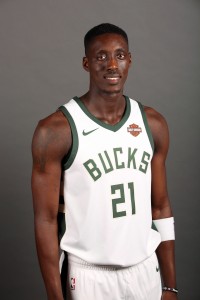
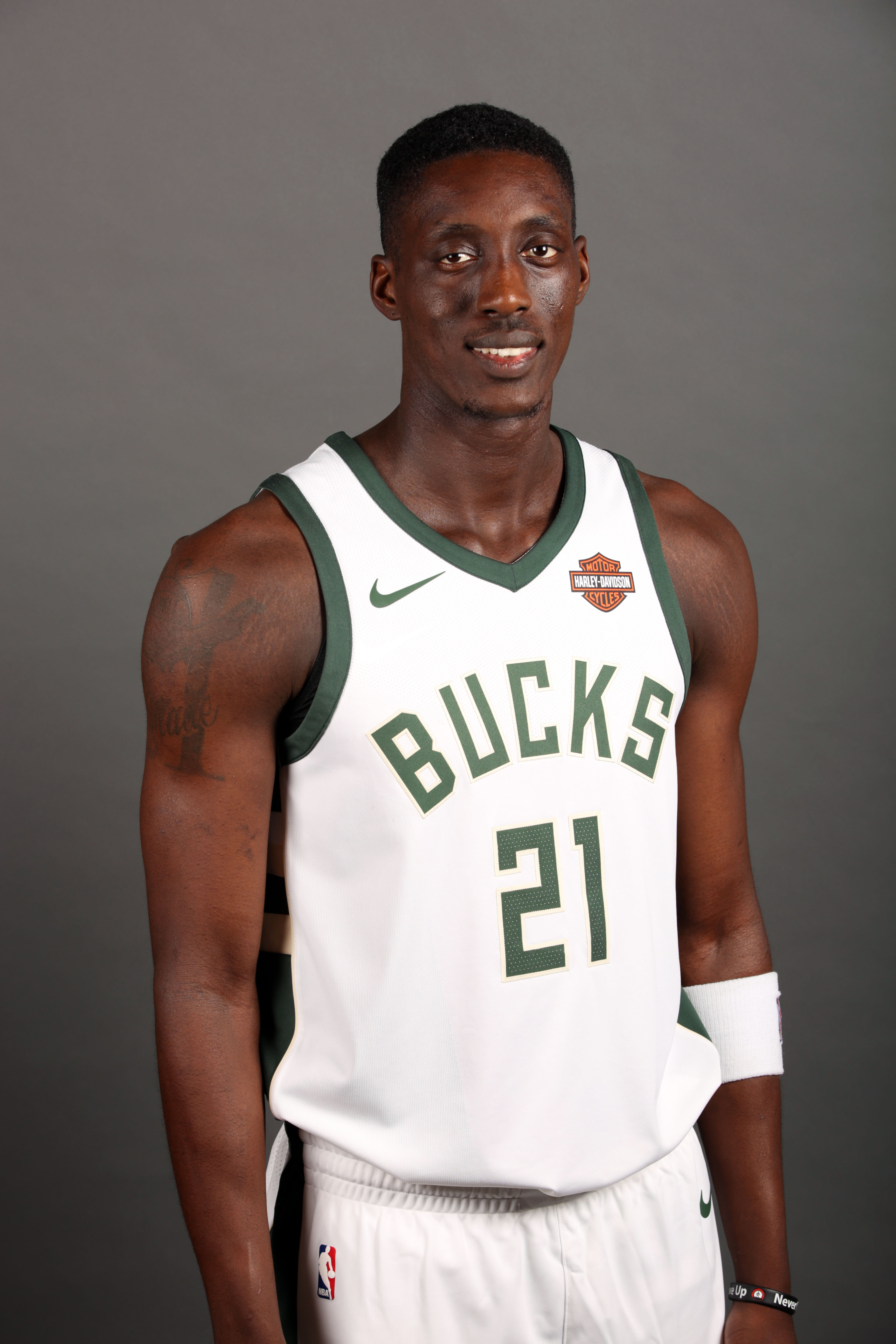
- Tony Snell: Four years, $44MM. Fourth-year player option.
- Jason Terry: One year, minimum salary.
- Jalen Moore: Two-way contract. Two years. $50K guaranteed. (Waived)
- Bronson Koenig: Two-way contract. Two years. (Waived)
Camp invitees:
- Brandon Rush: One year, minimum salary. Summer contract.
- Kendall Marshall: One year, minimum salary. Summer contract.
- Joel Anthony: One year, minimum salary. Summer contract with exhibit nine.
- Gerald Green: One year, minimum salary. Summer contract with exhibit nine.
- JeQuan Lewis: One year, minimum salary. Summer contract with exhibits nine and 10. (Waived)
- James Young: One year, minimum salary. Summer contract. (Waived)
- Xavier Munford: Exact details not yet known.
Trades:
- Acquired cash ($2MM) from the Clippers in exchange for the draft rights to Sindarius Thornwell (No. 48 pick).
- Acquired the draft rights to Sterling Brown (No. 46 pick) from the Sixers in exchange for cash ($1.9MM).
Draft picks:
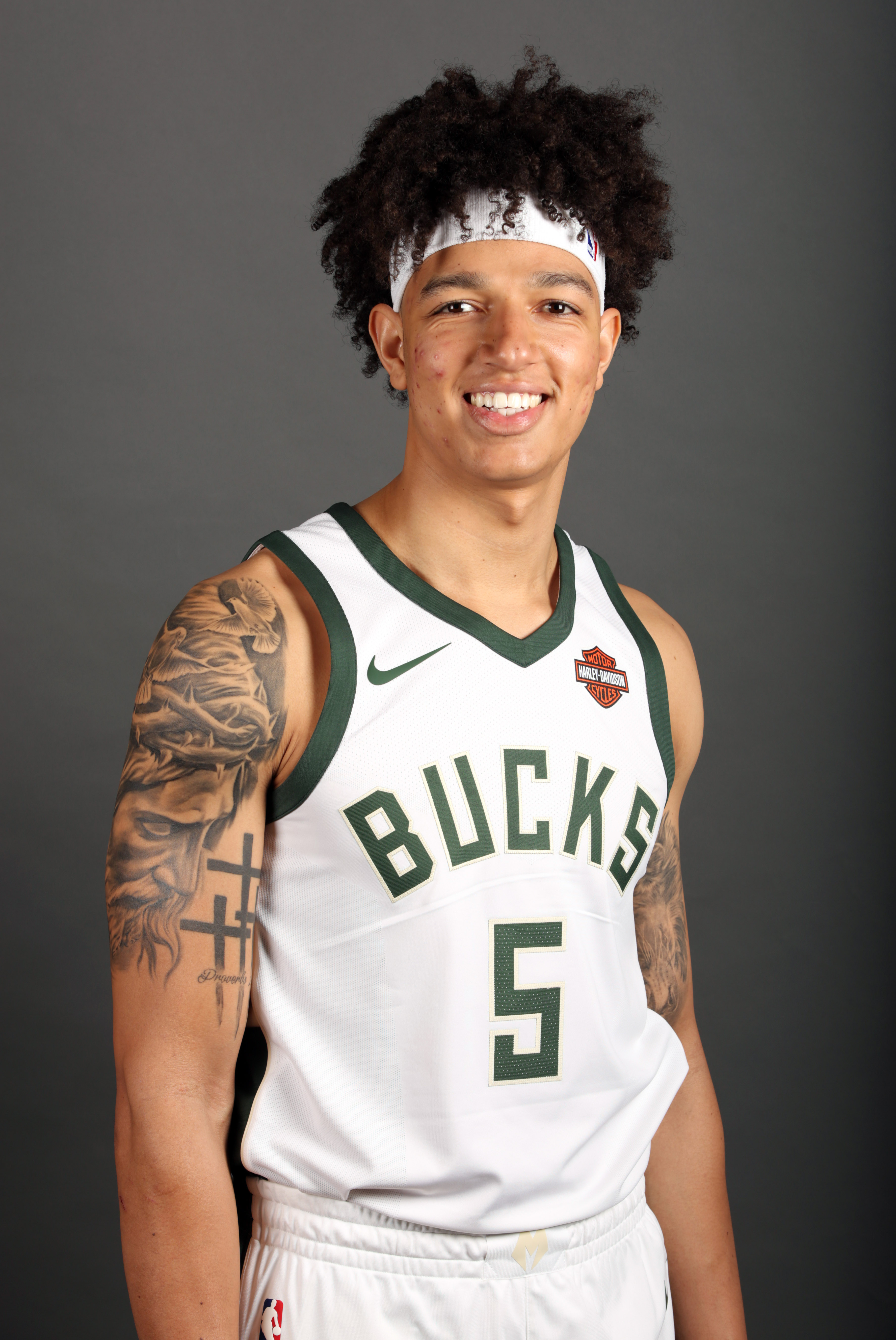
- 1-17: D.J. Wilson — Signed to rookie contract.
- 2-46: Sterling Brown — Signed to three-year, minimum salary contract. Third year non-guaranteed.
Departing players:
- Michael Beasley
- Spencer Hawes (waived)
Other offseason news:
- Lost general manager John Hammond to Magic.
- Promoted Jon Horst to replace Hammond as GM.
- Hired Milt Newton as assistant general manager.
- Introduced new G League expansion team, the Wisconsin Herd.
Salary cap situation:
- Operating over the cap, but under the tax. Carrying approximately $116.8MM in guaranteed salaries. Most of mid-level exception ($7.59MM) and bi-annual exception ($3.29MM) available.
Check out the Milwaukee Bucks’ full roster and depth chart at RosterResource.com.
Story of the summer:
The Bucks’ offseason began with the loss of longtime general manager John Hammond, who elected to take a job in Orlando’s front office. Although the Bucks indicated at the time that they’d conduct a search for a replacement, the choice seemed clear. Assistant GM Justin Zanik had been brought to Milwaukee and groomed to be Hammond’s successor, and he was named the team’s interim GM while the team explored its options. His eventual promotion seemed inevitable.
Within a matter of weeks, the Bucks reportedly narrowed their options to Zanik and Nuggets executive Arturas Karnisovas, and when the Nuggets gave Karnisovas a promotion to keep him in Denver, Milwaukee’s choice once again seemed obvious. However, rather than promoting Zanik, the Bucks – whose co-owners were at odds over the decision – passed over the assistant GM to name director of basketball operations Jon Horst their new general manager.
It was a surprising decision, one that cost the team Zanik. The former Jazz executive – who had reportedly received support for the GM position from two of three Bucks co-owners and head coach Jason Kidd – decided to return to Utah after being passed over in Milwaukee.
While we don’t know all the details of the Bucks’ unusual GM search, we’ve heard enough to make me seriously question the club’s process. If it had happened in a major market (imagine the Knicks conducting a similar search after Phil Jackson‘s ouster), it would’ve been viewed as a sign of dysfunction, but it has flown mostly under the radar in Milwaukee.
It remains to be seen whether the front office shuffle represents a blip on the radar for the Bucks as they work their way up the Eastern Conference standings, or if it’s an omen of future problems. But the good news for the team is that there’s far less turnover on the roster than in the front office. Thirteen of the 15 players who finished last season with the Bucks – including nine of the club’s top 10 scorers – remain on the roster. That level of continuity is a great sign for a team that appeared to be coming into its own at the end of the 2016/17 campaign.
2017 Offseason In Review: Atlanta Hawks
Hoops Rumors is breaking down the 2017 offseason for all 30 NBA teams, revisiting the summer’s free agent signings, trades, draft picks, departures, and more. We’ll evaluate each team’s moves from the last several months and look ahead to what the 2017/18 season holds for all 30 franchises. Today, we’re focusing on the Atlanta Hawks.
Signings:
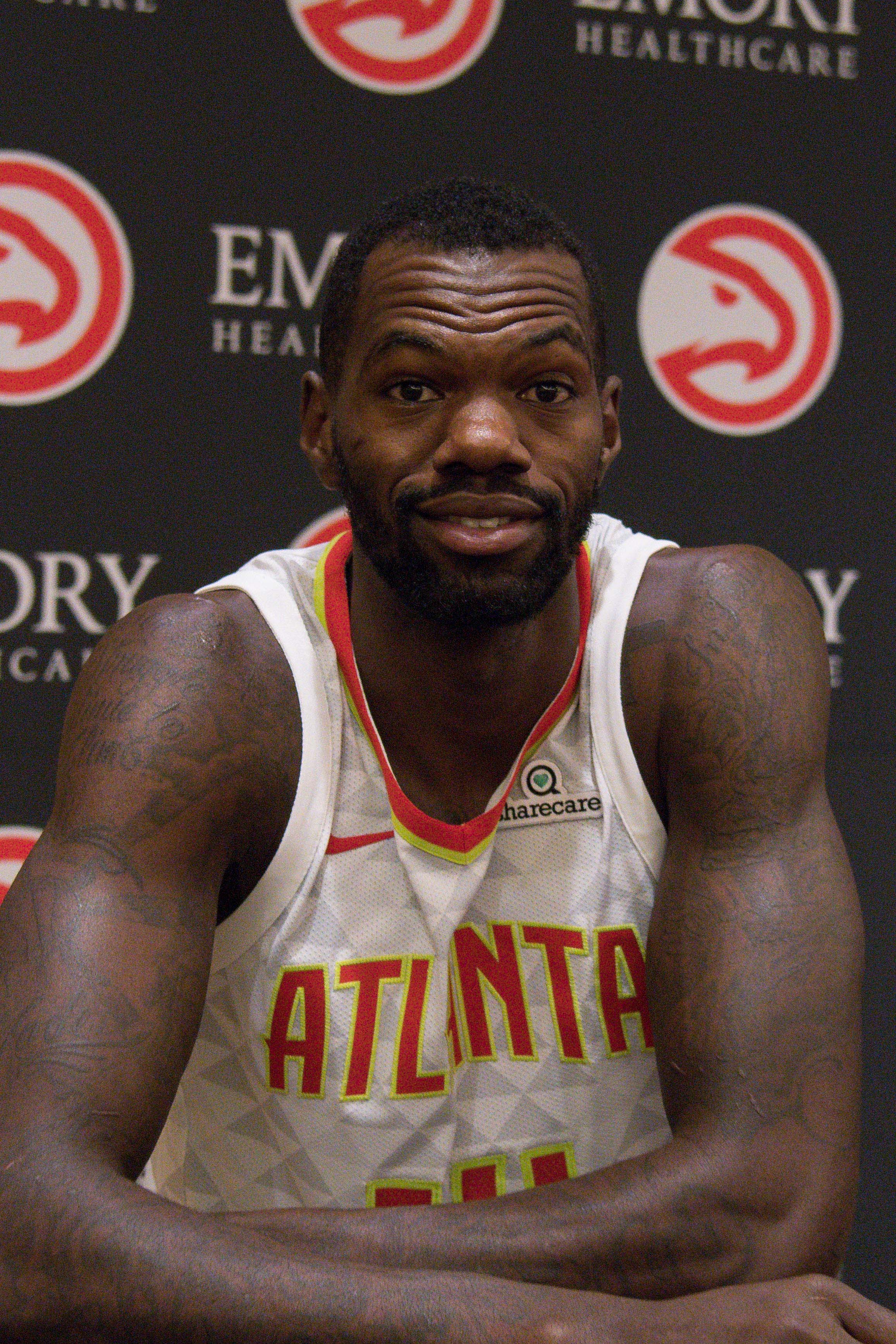
- Dewayne Dedmon: Two years, $12.3MM. Second-year player option.
- Mike Muscala: Two years, $10MM. Second-year player option.
- Ersan Ilyasova: One year, $6MM.
- Luke Babbitt: One year, minimum salary. Partially guaranteed ($987K).
- Josh Magette: Two-way contract. One year. $50K guaranteed.
Camp invitees:
- Quinn Cook: Two years, minimum salary. First year partially guaranteed ($100K).
- Tyler Cavanaugh: One year, minimum salary. Partially guaranteed ($50K).
- Jeremy Evans: One year, minimum salary. Partially guaranteed ($50K).
- Jordan Mathews: One year, minimum salary. Exhibits nine and 10.
- John Jenkins: One year, minimum salary. Summer contract with exhibit nine.
Waiver claims:
- Claimed Nicolas Brussino off waivers from the Mavericks.
Trades:
- Acquired Miles Plumlee, Marco Belinelli and the No. 41 overall pick from the Hornets in exchange for Dwight Howard and the No. 31 overall pick.
- Acquired cash ($75K) from the Rockets in exchange for Ryan Kelly.
- Acquired Jamal Crawford, Diamond Stone, the Rockets’ 2018 first-round pick (top-three protected), and cash ($1.3MM) in a three-way trade with the Clippers and Nuggets in exchange for the Wizards’ 2019 second-round pick.
- Notes: Wizards’ 2019 second-round pick sent to Nuggets; Crawford and Stone later waived.
- Acquired DeAndre Liggins and cash ($100K) from the Clippers in exchange for the Hawks’ own 2018 second-round pick (top-55 protected).
- Note: Liggins later waived.
Draft picks:
- 1-19: John Collins — Signed to rookie contract.
- 2-41: Tyler Dorsey — Signed to two-year, minimum salary contract.
- 2-60: Alpha Kaba — Stashed overseas.
Departing players:
- Jose Calderon
- Mike Dunleavy (waived)
- Tim Hardaway Jr.
- Dwight Howard
- Kris Humphries
- Ryan Kelly
- Paul Millsap
- Thabo Sefolosha
Other offseason news:
- Restructured front office, removing president of basketball operations title from Mike Budenholzer and re-assigning GM Wes Wilcox to special advisor role.
- Hired Warriors executive Travis Schlenk to be new general manager.
- Introduced new G League expansion team, the Erie BayHawks.
- Dennis Schroder arrested on battery charge.
Salary cap situation:
- Operating under the cap, but over the salary floor. Can create $4MM+ in cap room. Carrying approximately $94.2MM in guaranteed salaries. Room exception ($4.328MM) still available.
Check out the Atlanta Hawks’ full roster and depth chart at RosterResource.com.
Story of the summer:
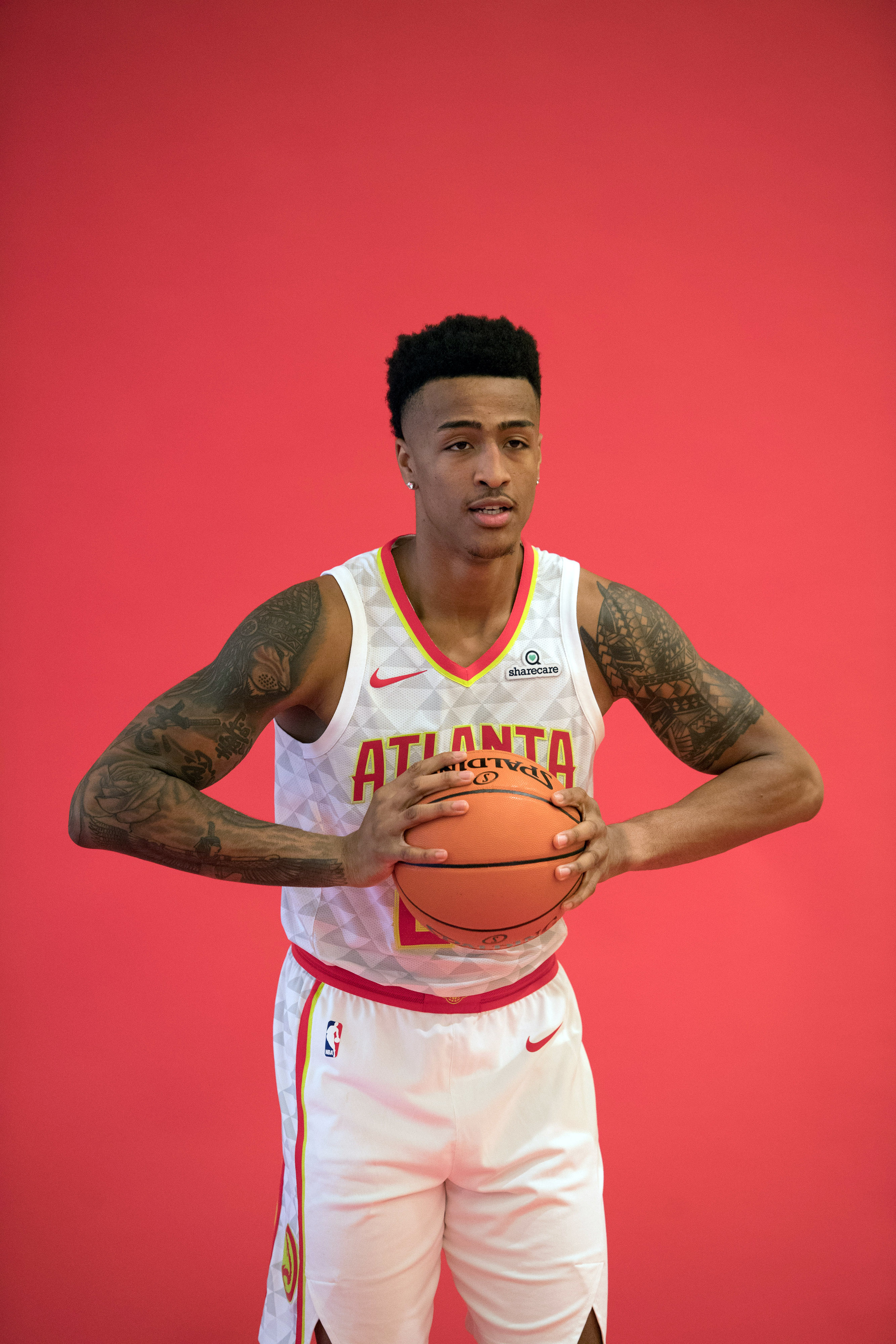
After waffling on the idea of a full-on rebuild for at least a season, the Hawks finally dove in and accepted their fate. The franchise also shook up their front office, relieving head coach Mike Budenholzer of his executive duties and appointing Travis Schlenk the new general manager of the squad.
The fresh slate could serve the organization well as it had become abundantly clear that the lingering remnants of the Hawks team that won 60 games in 2014/15 just weren’t going to cut it as a contender in the current NBA landscape.
Put simply, the Hawks managed to get through the first summer of transition unscathed, with Schlenk’s staff wisely letting veterans Paul Millsap and Tim Hardaway Jr. pursue monster deals elsewhere. It’ll be a long road back to the top, sure, but they have to start somewhere.
2017 Offseason In Review: Philadelphia 76ers
Hoops Rumors is breaking down the 2017 offseason for all 30 NBA teams, revisiting the summer’s free agent signings, trades, draft picks, departures, and more. We’ll evaluate each team’s moves from the last several months and look ahead to what the 2017/18 season holds for all 30 franchises. Today, we’re focusing on the Philadelphia 76ers.
Signings:
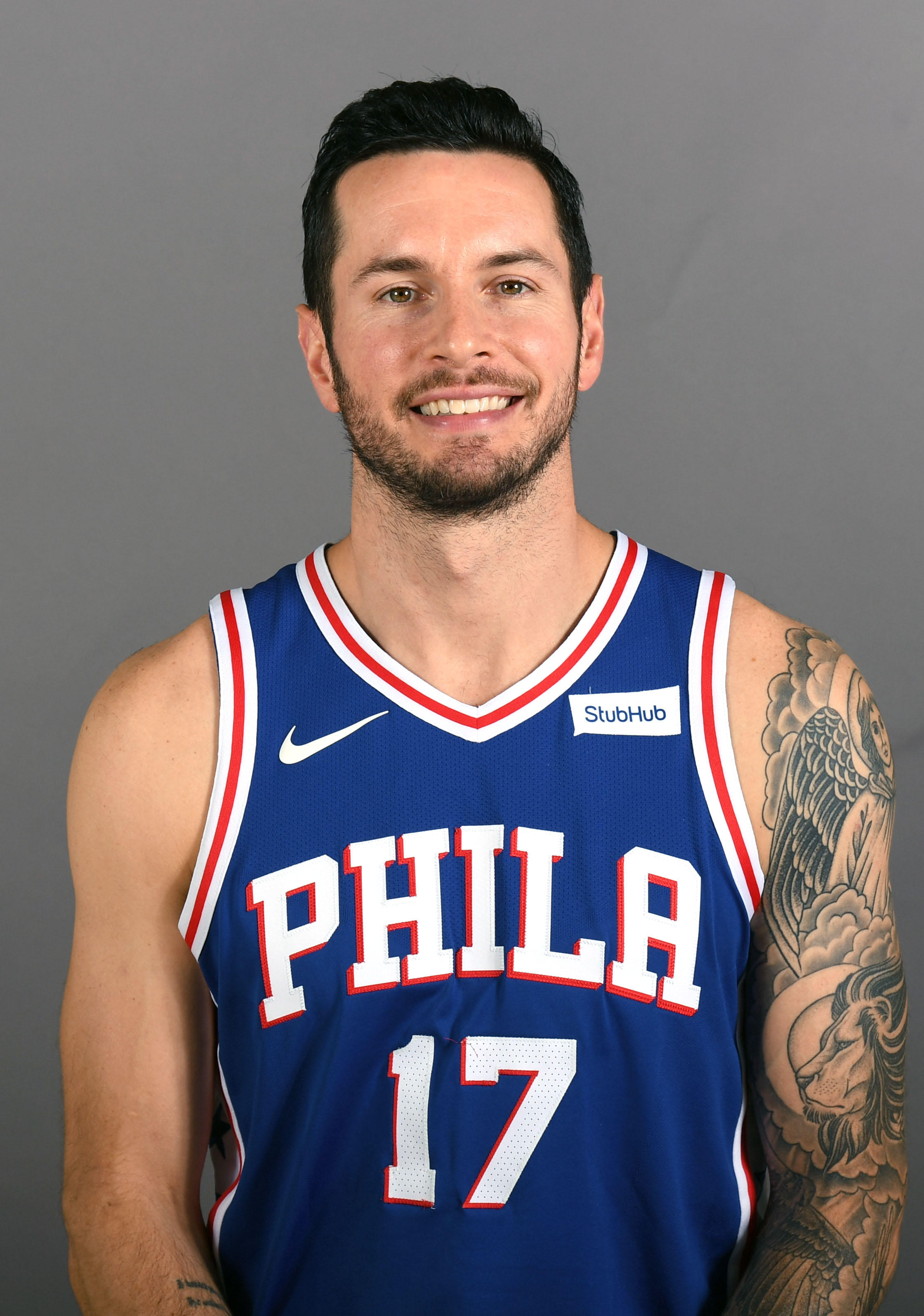
- J.J. Redick: One year, $23MM.
- Amir Johnson: One year, $11MM.
- James McAdoo: Two-way contract. One year, $50K guaranteed.
Camp invitees:
- James Blackmon Jr.: One year, minimum salary. Exhibits nine and 10.
- Kris Humphries: One year, minimum salary. Summer contract with exhibit nine.
- Jacob Pullen: One year, minimum salary. Summer contract.
- Emeka Okafor: One year, minimum salary. Summer contract with exhibit nine.
Trades:
- Acquired the No. 1 overall pick from the Celtics in exchange for the No. 3 overall pick and the Lakers’ 2018 first-round pick (top-1 protected and 6-30 protected).
- Note: If Lakers’ 2018 first-round pick doesn’t convey, Celtics will instead acquire more favorable of Kings’ and Sixers’ 2019 first-round picks (top-1 protected).
- Acquired the draft rights to Anzejs Pasecniks (No. 25 pick) from the Magic in exchange for the Thunder’s 2020 first-round pick (top-20 protected) and the less favorable of the Knicks’ and Nets’ 2020 second-round picks.
- Note: Thunder pick is top 20-protected through 2022. If it doesn’t convey, Magic will instead acquire Thunder’s 2022 and 2023 second-round picks.
- Acquired the Rockets’ 2018 second-round pick and cash ($100K) from the Rockets in exchange for Shawn Long.
- Acquired cash ($3.2MM) from the Clippers in exchange for the draft rights to Jawun Evans (No. 39 pick).
- Acquired cash ($1.9MM) from the Bucks in exchange for the draft rights to Sterling Brown (No. 46 pick).
Draft picks:
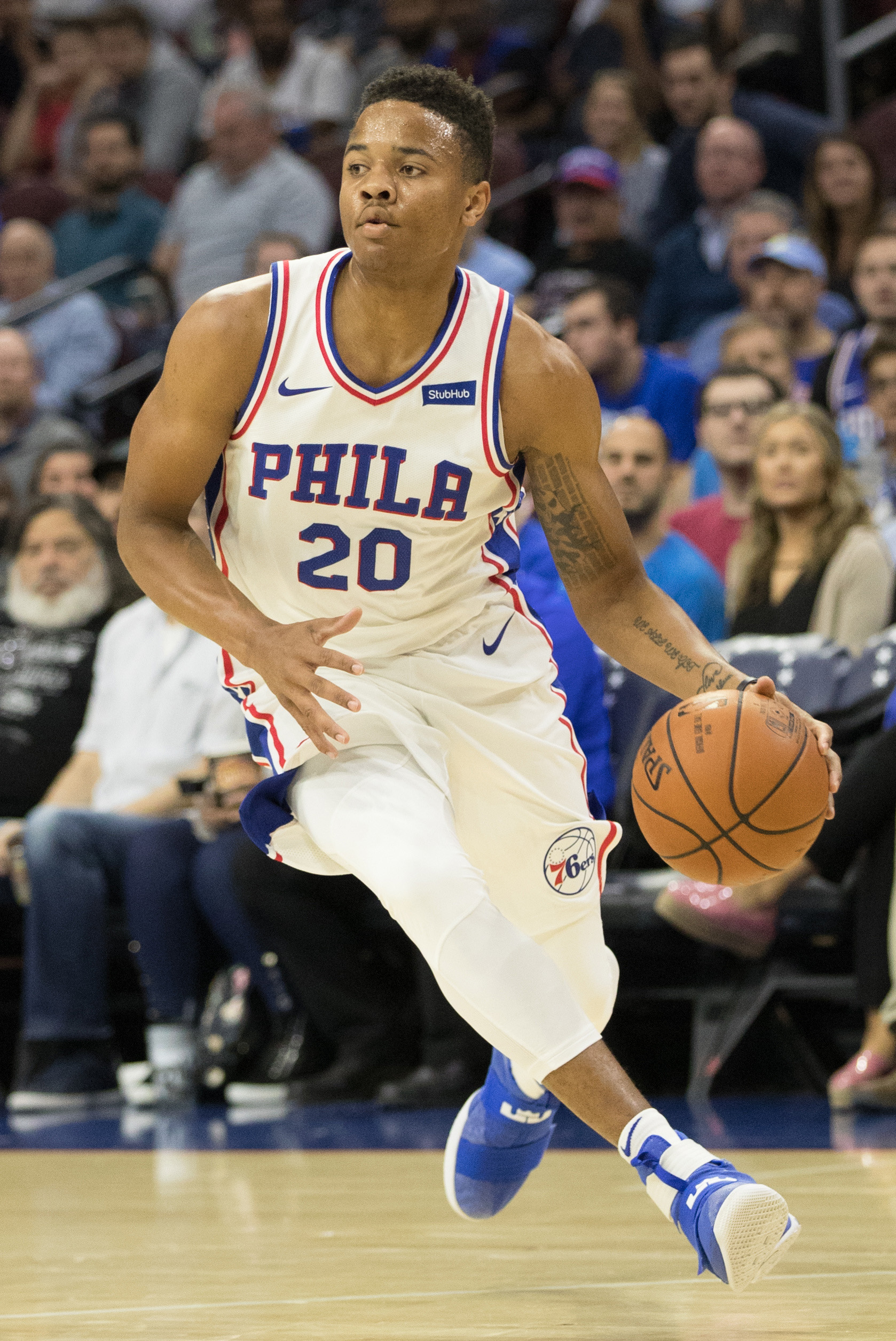
- 1-1: Markelle Fultz — Signed to rookie contract.
- 1-25: Anzejs Pasecniks — Stashed overseas.
- 2-36: Jonah Bolden — Stashed overseas.
- 2-50: Mathias Lessort — Stashed overseas.
Draft-and-stash signings:
- Furkan Korkmaz (2016; No. 26) — Signed to rookie contract.
Departing players:
- Gerald Henderson (waived)
- Shawn Long
- Alex Poythress
- Sergio Rodriguez
- Tiago Splitter
Other offseason news:
- Hired Elton Brand as the general manager of the Delaware 87ers, their G League affiliate.
Salary cap situation:
- Operating under the cap and under the salary floor. Currently have about $15MM in cap space, plus full room exception ($4.328MM) still available.
Check out the Philadelphia 76ers’ full roster and depth chart at RosterResource.com.
Story of the summer:
Gone are the days of tanking, salary cap manipulation, and Philadelphians routing for their team to sink further down in the standings. Here are the nights of watching budding talent, employing a full squad of NBA players, and spotting Joel Embiid running down one-way streets in the City of Brotherly Love.
After years of intentionally taking steps back – or at least making no effort to move up in the standings – the Sixers are set to head into the 2017/18 season with a team that should be competitive in a weakened Eastern Conference. President of basketball operations Bryan Colangelo entered the offseason with plenty of flexibility and he completed an impressive series of summer moves without sacrificing that flexibility for the future.
Community Shootaround: GMs’ Predictions
Earlier today, we shared the results of an annual survey of NBA general managers offering their predictions for the upcoming season.
Few of their forecasts were surprising. Twenty-eight of the 30 GMs like the Warriors to repeat as champions, with the other two votes going to the Cavaliers. LeBron James was the MVP pick of half the GMs, followed by Kevin Durant at 29% and Kawhi Leonard at 11%.
In other major categories:
- Paul George was chosen as the offseason acquisition most likely to make the biggest impact with 59% of the vote. The Thunder acquired the four-time All-Star in a trade with the Pacers just before the start of free agency.
- Timberwolves center Karl-Anthony Towns was chosen by 29% as the player they would most like to build a franchise around. The Bucks‘ Giannis Antetokounmpo was close behind at 21%.
- Paul Millsap‘s signing with the Nuggets is the most underrated acquisition of the offseason at 24%, followed by the Pistons‘ trade for Avery Bradley (17%).
- Mavericks point guard Dennis Smith Jr. was chosen as the biggest steal of the draft (37%), with Lakers point guard Lonzo Ball the favorite to be named Rookie of the Year (62%).
- The GMs picked the Wolves as the most improved team with 69% of the vote, far ahead of the second-place Sixers (17%).
That’s what the insiders think, but now we want to hear from you. In which of these categories did the GMs get it wrong, and who will the real winners be? Please share your thoughts in the space below. We look forward to your responses.
2017 Offseason In Review: Los Angeles Clippers
Hoops Rumors is breaking down the 2017 offseason for all 30 NBA teams, revisiting the summer’s free agent signings, trades, draft picks, departures, and more. We’ll evaluate each team’s moves from the last several months and look ahead to what the 2017/18 season holds for all 30 franchises. Today, we’re focusing on the Los Angeles Clippers.
Signings:
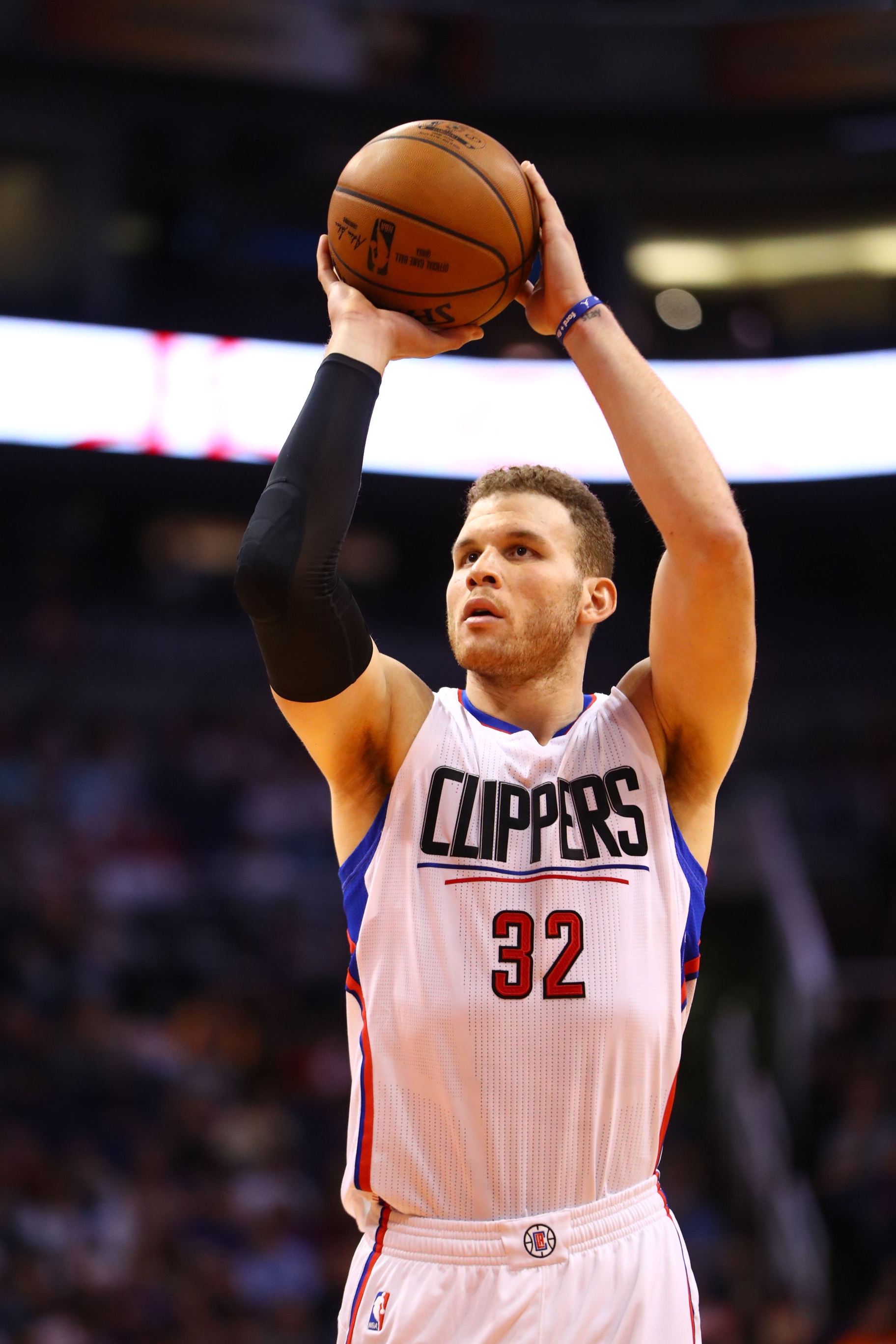
- Blake Griffin: Five years, $171.175MM. Fifth-year player option.
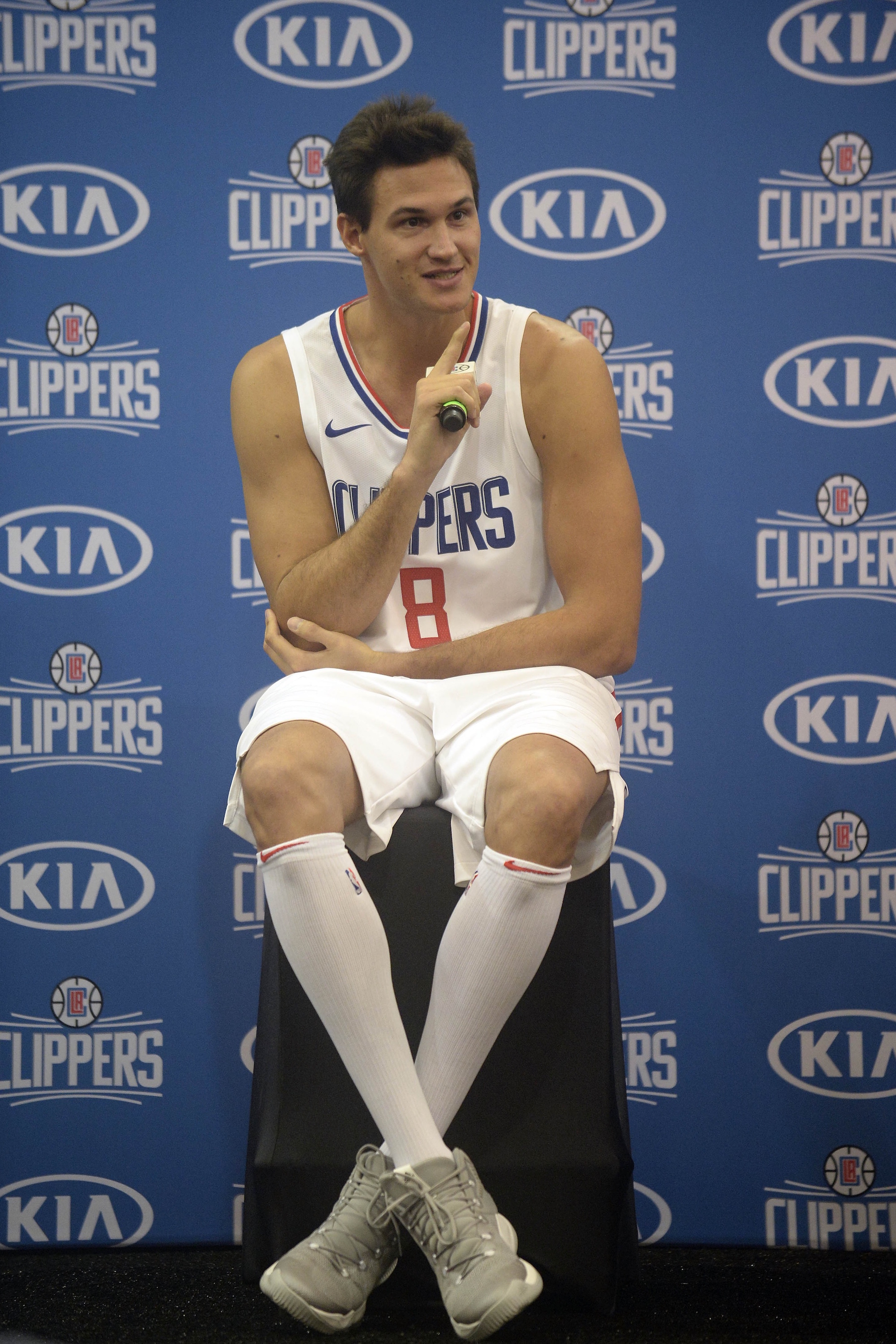
- Danilo Gallinari: Three years, $64.763MM. Acquired in sign-and-trade.
- Milos Teodosic: Two years, $12.3MM. Second-year player option. Second year partially guaranteed ($2.1MM).
- Willie Reed: One year, minimum salary.
- Jamil Wilson: Two-way contract. Two years. $50K guaranteed.
Camp invitees:
- Marshall Plumlee: One year, minimum salary. Exhibits nine and 10.
- Tyrone Wallace: One year, minimum salary. Exhibits nine and 10.
- C.J. Williams: One year, minimum salary. Exhibits nine and 10.
- LaDontae Henton: One year, minimum salary. Summer contract.
Trades:
- Acquired the draft rights to Sindarius Thornwell (No. 48 pick) from the Bucks in exchange for cash ($2MM).
- Acquired Lou Williams, Patrick Beverley, Sam Dekker, Montrezl Harrell, DeAndre Liggins, Kyle Wiltjer, Darrun Hilliard, the Rockets’ 2018 first-round pick (top-three protected, and cash ($661K) from the Rockets in exchange for Chris Paul.
- Note: Wiltjer and Hilliard later waived.
- Acquired the draft rights to Jawun Evans (No. 39 pick) from the Sixers in exchange for cash ($3.2MM).
- Acquired Danilo Gallinari (sign-and-trade) in a three-way trade with the Hawks and Nuggets in exchange for Jamal Crawford, Diamond Stone, the Rockets’ 2018 first-round pick (top-three protected), and cash ($1.3MM).
- Note: All of Clippers’ outgoing pieces sent to the Hawks.
- Acquired the Hawks’ 2018 second-round pick (top-55 protected) from the Hawks in exchange for DeAndre Liggins and cash ($100K).
Draft picks:
- 2-39: Jawun Evans — Signed to three-year, minimum salary contract. Third-year team option.
- 2-48: Sindarius Thornwell — Signed to three-year, minimum salary contract. Third year non-guaranteed.
Departing players:
- Alan Anderson
- Brandon Bass
- Jamal Crawford
- Raymond Felton
- Luc Mbah a Moute
- Chris Paul
- Paul Pierce (waived; retired)
- J.J. Redick
- Marreese Speights
- Diamond Stone
Other offseason news:
- Promoted Lawrence Frank to president of basketball operations. Doc Rivers now just head coach.
- Hired Michael Winger as general manager.
- Hired Trent Redden as assistant general manager. Hired Mark Hughes as assistant GM.
- Hired former GM Dave Wohl as special advisor.
- Introduced new expansion G League team, the Agua Caliente Clippers of Ontario.
- Willie Reed charged with domestic battery.
Salary cap situation:
- Operating over the cap and very slightly under the tax. Carrying approximately $119MM in guaranteed salaries. Hard-capped. Small portion ($775K) of mid-level exception still available. Otherwise, only minimum salary exception available.
Check out the Los Angeles Clippers’ full roster and depth chart at RosterResource.com.
Story of the summer:
Following another disappointing first-round exit from the 2017 playoffs, the Clippers entered the offseason in a difficult spot. The Chris Paul-led squad of the last six years had never made it beyond the Western Conference Semifinals, and while injuries to key players at inopportune times created some tantalizing what-ifs in previous seasons, the 2016/17 Clippers didn’t look like a team on the verge of a breakthrough.
With Paul, Blake Griffin, and J.J. Redick all eligible for free agency, the possibility of re-signing the trio, blowing by the luxury tax line, and continuing to struggle in the early rounds of the postseason didn’t look like the right approach. But players like Paul and Griffin aren’t easy to replace, particularly given the Clippers’ lack of cap flexibility, and letting them go for nothing wouldn’t have made sense either.
In a somewhat fortunate turn of events, Paul ultimately made the decision simpler for the Clippers, deciding that he wanted a change of scenery. Instead of signing with the Rockets as a free agent though, Paul gave the Clips a heads-up on his intentions, allowing the team to work out a trade with Houston. That deal helped the Clippers add depth, gave the club a first-round pick to dangle in a subsequent trade, and created the cap flexibility necessary to lock up Griffin to a long-term contract while potentially avoiding the tax.
Of course, losing an All-NBA caliber guard is never ideal, but the Clippers were in need of a shake-up, and the team did an admirable job revamping the roster in the wake of CP3’s departure.
Community Shootaround: Top League Pass Teams
In a pair of pieces this week for ESPN.com, Zach Lowe continued his annual tradition of ranking all 30 NBA teams in terms of how much entertainment they’ll provide on League Pass during the 2017/18 season. Lowe’s highest-ranked teams score well in a number of categories, including zeitgeist appeal, style of play, highlight potential, and even uniform and court aesthetics.
Lowe’s rankings aren’t particularly shocking. Teams expected to land near the top of next year’s draft lottery – such as the Hawks, Suns, Bulls, Magic, and Pacers – round out the bottom of his list, while the Warriors, Thunder, Celtics, and Rockets are at the top.
Still, there are a handful of interesting results in Lowe’s list. The Sixers and Pelicans rank ahead of the Cavaliers in the top 10. The Trail Blazers, Timberwolves, and Nuggets also place highly for three teams either barely made the playoffs or missed out entirely last season. And despite the preseason buzz they’ve been generating, the Lakers don’t show up in the top half of Lowe’s list, coming in at No. 16.
While Lowe makes a strong case for his selections, we want to hear from you. Outside of the team you root for, which clubs do you expect to make an effort to watch this season?
Will you be keeping a close eye on perennial title contenders like the Warriors, Cavaliers, and Spurs, or are you more fascinated by up-and-coming teams like the Bucks, Timberwolves, and Nuggets? Maybe there are rebuilding lottery teams – perhaps the Kings, Lakers, Knicks, or Mavericks – that you’ll be excited to see in action?
Head to the comment section below to share your thoughts on your top League Pass picks for 2017/18.