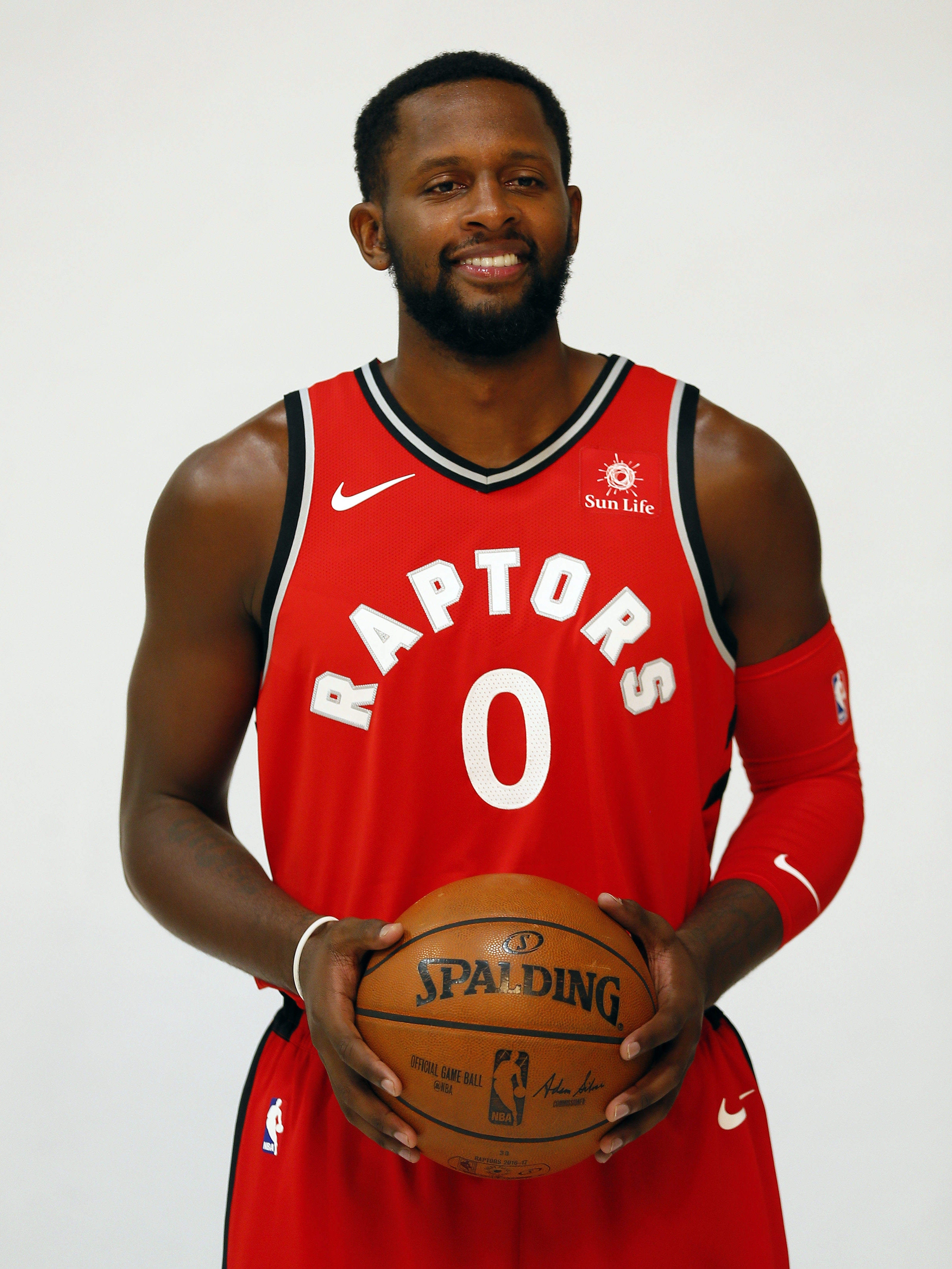
29 Of 30 NBA Teams Made Trades In 2017 Offseason
The 2017 NBA offseason didn’t feature any stars like LeBron James or Kevin Durant signing with new teams in free agency, but it was still one of the most eventful summers in recent memory. Trades played a big part in the offseason excitement, with NBA teams completing a total of 39 swaps since the 2016/17 season ended.
Not all of those deals were blockbusters. The Rockets, for instance, made several moves that saw them pay cash to acquire players on non-guaranteed salaries in the hopes of flipping them in later trades — most of those players were ultimately waived.
Still, there was no shortage of big-name players on the move. Five Eastern Conference All-Stars changed teams in trades, with Kyrie Irving and Isaiah Thomas involved in the same deal, and Paul George, Jimmy Butler, and Carmelo Anthony all being sent to new homes in the West.
With opening night just two weeks away, 29 of 30 NBA teams have completed at least one trade this offseason, leaving the Spurs as the only club not to make a deal. Of those 29 teams that made a trade, most completed more than one — the Cavaliers, Heat, Suns, Warriors, and Wizards each finalized just one deal apiece, while the league’s 24 other teams made multiple trades.
Here’s the breakdown of the teams that made the most trades this offseason:
- Houston Rockets (8): Houston’s total was artificially inflated by those aforementioned deals involving non-guaranteed contracts. Six of their eight trades saw the Rockets trade cash or a draft pick for a player with a non-guaranteed salary. The team did complete one massive deal though, acquiring Chris Paul from the Clippers.
- Los Angeles Clippers (5): The CP3 swap was the Clippers’ biggest move, but it was hardly their only trade. The team also acquired Danilo Gallinari in a sign-and-trade and acquire multiple second-round picks on draft night.
- Philadelphia 76ers (5): Most of the Sixers’ trades were draft-night deals, though the biggest one happened a few days earlier, when Philadelphia acquired the first overall pick from Boston in order to snag Markelle Fultz.
- Atlanta Hawks (4): The rebuilding Hawks made a handful of trades with an eye toward the future, including taking on Jamal Crawford‘s contract to land a first-round pick, and getting rid of Dwight Howard and his $23MM+ annual salary.
- New Orleans Pelicans (4): The Pelicans essentially completed a pair of salary dumps when they traded Tim Frazier to Washington and Quincy Pondexter to Chicago, since the pick acquired for Frazier was later sold. The team’s most notable deal came on draft night, when New Orleans traded up to No. 31 to select Frank Jackson.
The other NBA teams that made the most trades this offseason are as follows
- Boston Celtics (3)
- Brooklyn Nets (3)
- Chicago Bulls (3)
- Dallas Mavericks (3)
- Indiana Pacers (3)
- Memphis Grizzlies (3)
- Orlando Magic (3)
- Portland Trail Blazers (3)
- Toronto Raptors (3)
- Utah Jazz (3)
- Charlotte Hornets (2)
- Denver Nuggets (2)
- Detroit Pistons (2)
- Los Angeles Lakers (2)
- Milwaukee Bucks (2)
- Minnesota Timberwolves (2)
- New York Knicks (2)
- Oklahoma City Thunder (2)
- Sacramento Kings (2)
Note: The Magic sending the Raptors a draft pick for the right to hire Jeff Weltman and the Knicks sending a pick to the Kings for the right to hire Scott Perry are both considered trades for our purposes.
2017 Offseason In Review: Detroit Pistons
Hoops Rumors is breaking down the 2017 offseason for all 30 NBA teams, revisiting the summer’s free agent signings, trades, draft picks, departures, and more. We’ll evaluate each team’s moves from the last several months and look ahead to what the 2017/18 season holds for all 30 franchises. Today, we’re focusing on the Detroit Pistons.
Signings:
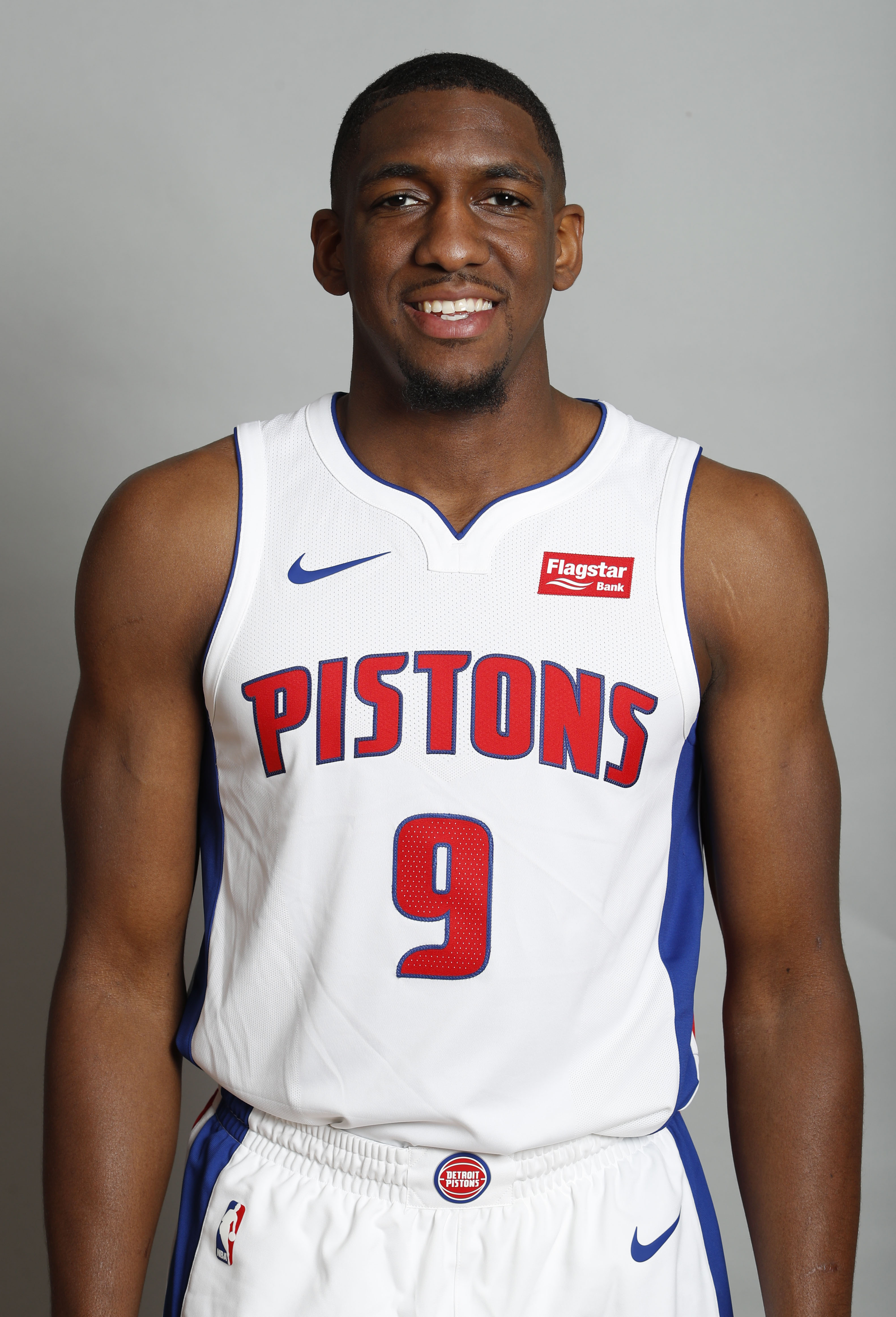
- Langston Galloway: Three years, $21MM.
- Eric Moreland: Three years, $5.479MM. First year partially guaranteed ($750K). Second and third years non-guaranteed.
- Reggie Bullock: Two years, $5MM. Second year non-guaranteed.
- Anthony Tolliver: One year, $3.29MM.
- Luis Montero: Two-way contract. Two years.
- Dwight Buycks: Two-way contract. One year, $50K guaranteed.
Camp invitees:
- Beno Udrih: One year, minimum salary. Exact details not yet known.
- Landry Nnoko: One year, minimum salary. Exhibits nine and 10.
- Derek Willis: One year, minimum salary. Exhibits nine and 10.
Trades:
- Acquired cash ($1MM) from the Rockets in exchange for Darrun Hilliard.
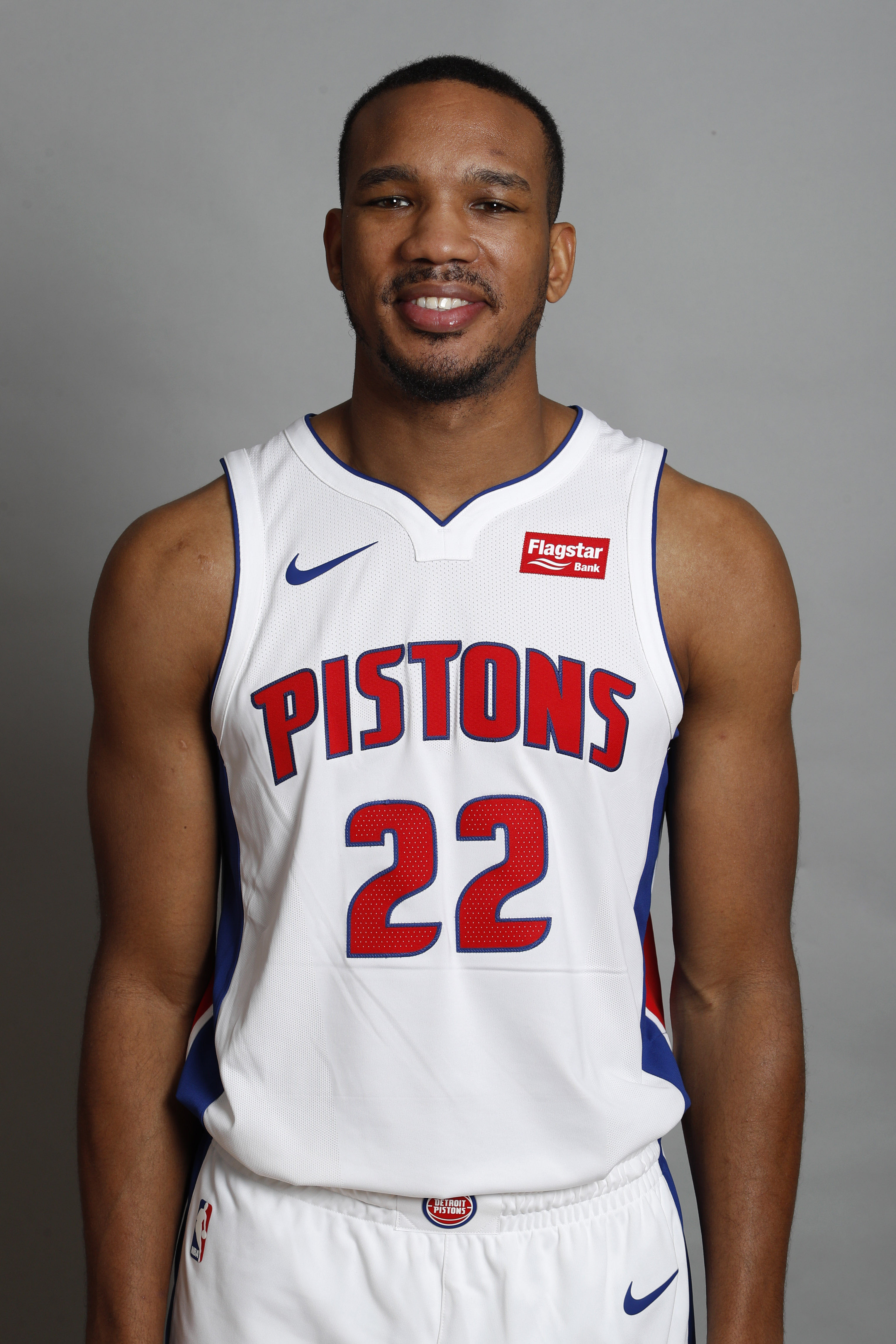
- Acquired Avery Bradley and a 2019 second-round pick from the Celtics in exchange for Marcus Morris.
Draft picks:
- 1-12: Luke Kennard — Signed to rookie contract.
Departing players:
- Aron Baynes
- Kentavious Caldwell-Pope
- Michael Gbinije (waived)
- Darrun Hilliard
- Marcus Morris
Other offseason news:
- Moved to downtown Detroit, from Palace of Auburn Hills to Little Caesars Arena.
- Jason Maxiell retired as a Piston.
Salary cap situation:
- Operating over the cap and under the tax. Carrying approximately $115MM in guaranteed salaries. Hard-capped. Only minimum salary exception available.
Check out the Detroit Pistons’ full roster and depth chart at RosterResource.com.
Story of the summer:
Head coach and president of basketball operations Stan Van Gundy, along with GM Jeff Bower, had a tough dilemma following a very disappointing 2016/17 campaign: Should they give shooting guard and restricted free agent Kentavious Caldwell-Pope a long-term contract?
Entering the offseason, the general consensus was that the Pistons would either lock up Caldwell-Pope or they would match an offer sheet, as long as the monetary burden wasn’t overwhelming. Caldwell-Pope was the team’s best perimeter defender, matching up with the opponent’s top offensive guard, regardless of whether that player was a point guard or shooting guard. He could also shadow some threes in smaller lineups.
A few factors swayed Van Gundy and Bower in another direction. First, Caldwell-Pope’s spotty offensive production was an issue. In 31 of the 76 games he played last season, Caldwell-Pope scored 10 or fewer points.
Second, the Pistons were already saddled with burdensome contracts for starters Reggie Jackson, Andre Drummond, Tobias Harris and backup Jon Leuer. Giving Caldwell-Pope $20MM or more annually would push a team that didn’t even make the playoffs last season into luxury tax territory. Third, they found a better solution, at least in the short term.
The Celtics needed to unload some salary in order to sign Gordon Hayward and the Pistons swooped in and traded for versatile Avery Bradley to replace Caldwell-Pope. Bradley becomes a free agent after this season, though Detroit’s brass has already indicated its desire to re-sign Bradley.
The Pistons renounced their rights to Caldwell-Pope once they agreed to the deal. As it turned out, Caldwell-Pope had a harder time finding long-term security than expected. He signed a one-year, $18MM contract with the Lakers and will return to the free agent market next summer.
2017 Offseason In Review: Minnesota Timberwolves
Hoops Rumors is breaking down the 2017 offseason for all 30 NBA teams, revisiting the summer’s free agent signings, trades, draft picks, departures, and more. We’ll evaluate each team’s moves from the last several months and look ahead to what the 2017/18 season holds for all 30 franchises. Today, we’re focusing on the Minnesota Timberwolves.
Signings: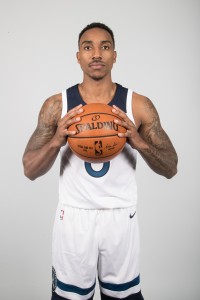
- Jeff Teague: Three years, $57MM. Third-year player option.
- Taj Gibson: Two years, $28MM.
- Jamal Crawford: Two years, $8.872MM. Second-year player option.
- Shabazz Muhammad: Two years, minimum salary. Second-year player option.
- Aaron Brooks: One year, minimum salary.
- Anthony Brown: Two-way contract. One year, $50K guaranteed.
Camp invitees:
- Marcus Georges-Hunt: One year, minimum salary. Non-guaranteed.
- Amile Jefferson: One year, minimum salary. Exhibits nine and 10.
- Melo Trimble: One year, minimum salary. Exhibits nine and 10.
Trades:
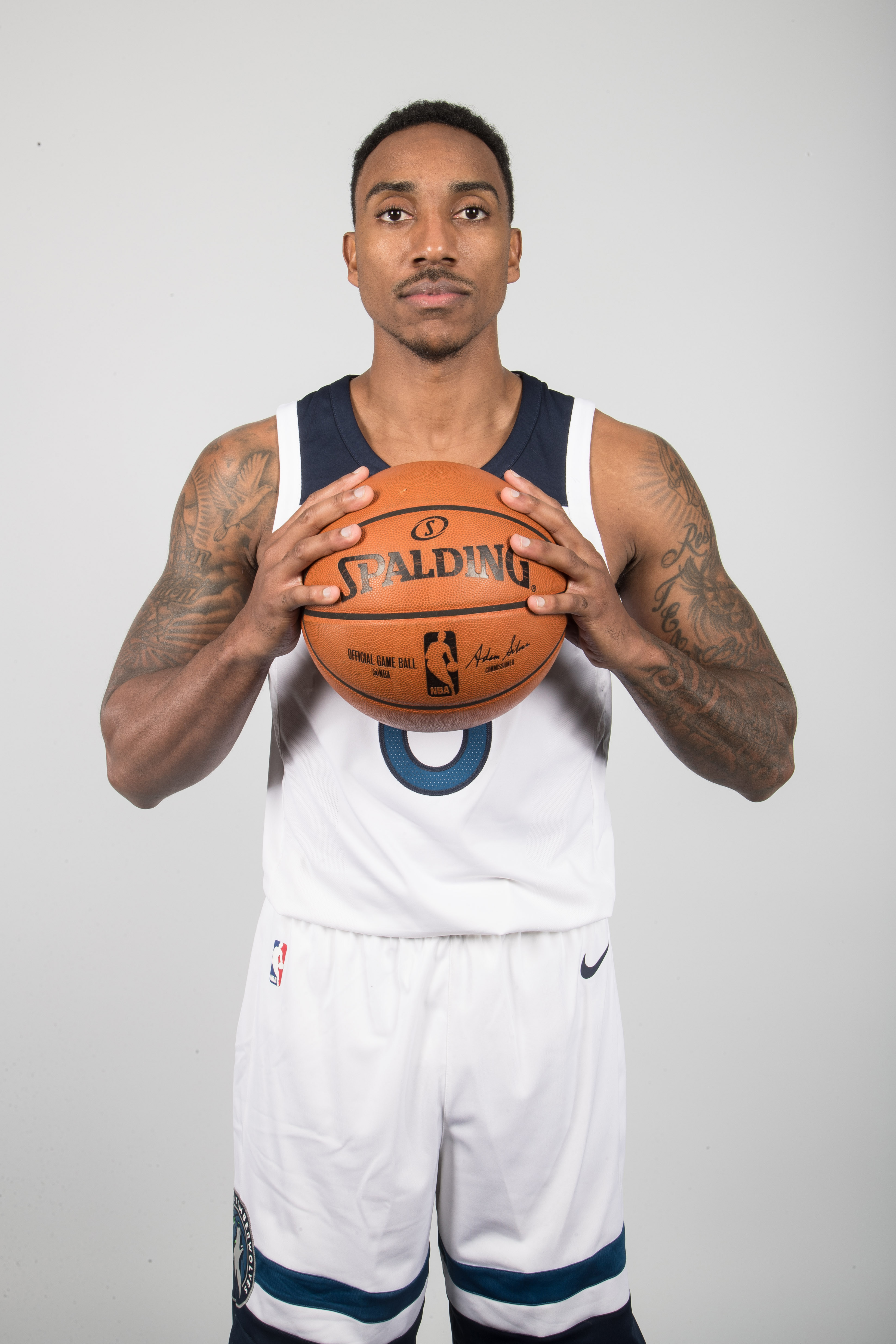
- Acquired Jimmy Butler and the draft rights to Justin Patton (No. 16 pick) from the Bulls in exchange for Zach LaVine, Kris Dunn, and the draft rights to Lauri Markkanen (No. 7 pick).
- Acquired the Thunder’s 2018 first-round pick (top-14 protected) from the Jazz in exchange for Ricky Rubio.
Draft picks:
- 1-16: Justin Patton — Signed to rookie contract.
Departing players:
- Omri Casspi
- Kris Dunn
- Jordan Hill
- Zach LaVine
- Adreian Payne
- Nikola Pekovic (waived; medical retirement)
- Ricky Rubio
- Brandon Rush
Other offseason news:
- Expected to finalize rookie scale extension with Andrew Wiggins.
- Bought Iowa Energy, renamed the G League team as the Iowa Wolves.
Salary cap situation:
- Used up all cap room and room exception. Over the cap, carrying approximately $104MM in guaranteed salaries. Only minimum salary exception available.
Check out the Minnesota Timberwolves’ full roster and depth chart at RosterResource.com.
Story of the summer:
Heading into June’s draft, it looked like the Timberwolves were on track to add another young prospect – perhaps Malik Monk or Lauri Markkanen – to a core that already featured Andrew Wiggins, Karl-Anthony Towns, Kris Dunn, and Zach LaVine. Throw in a free agent addition or two, and that young group would have had a chance to make the leap into the top eight in the West, earning the Wolves their first playoff berth since 2004.
Head coach and president of basketball operations Tom Thibodeau had other ideas though, signaling that he wasn’t satisfied with simply taking another incremental step forward. Instead of playing it safe on draft day, the Wolves flipped Dunn, LaVine, and the team’s No. 7 pick to the Bulls for old friend Jimmy Butler.
Once free agency got underway, Thibs and the front office added another familiar face from his Bulls days by signing Taj Gibson, and filled out the backcourt with a couple more veterans, signing Jeff Teague and Jamal Crawford.
When the dust settled, the Timberwolves still looked like a team capable of making strides based on the development of former top picks Wiggins and Towns, but the veteran additions – headlined by Butler – had significantly increased the ceiling for the club. Suddenly, Minnesota looked ready not just to end the franchise’s postseason drought, but to potentially grab a top-five seed in a competitive Western Conference.
2017 Offseason In Review: Indiana Pacers
Hoops Rumors is breaking down the 2017 offseason for all 30 NBA teams, revisiting the summer’s free agent signings, trades, draft picks, departures, and more. We’ll evaluate each team’s moves from the last several months and look ahead to what the 2017/18 season holds for all 30 franchises. Today, we’re focusing on the Indiana Pacers.
Signings:
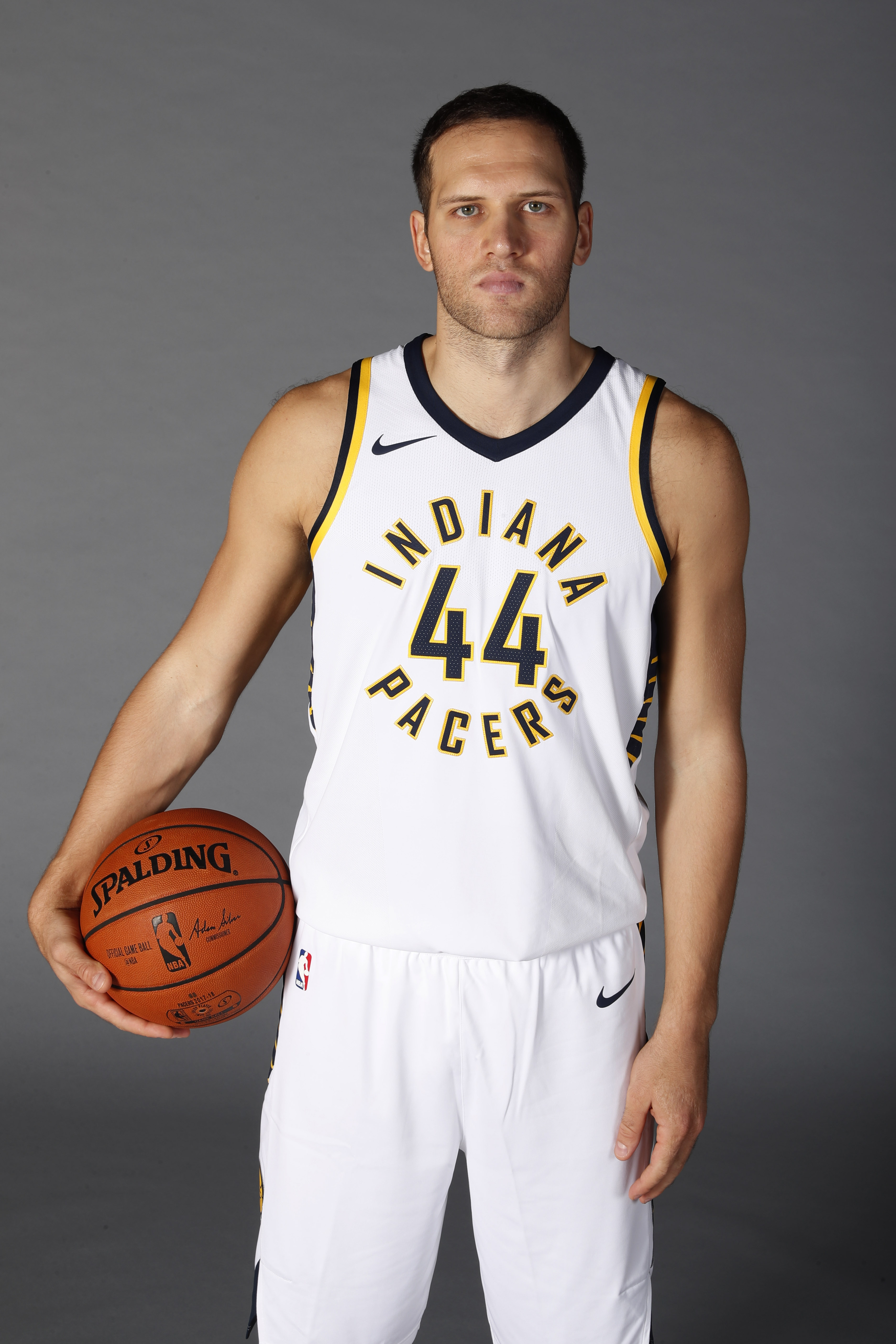
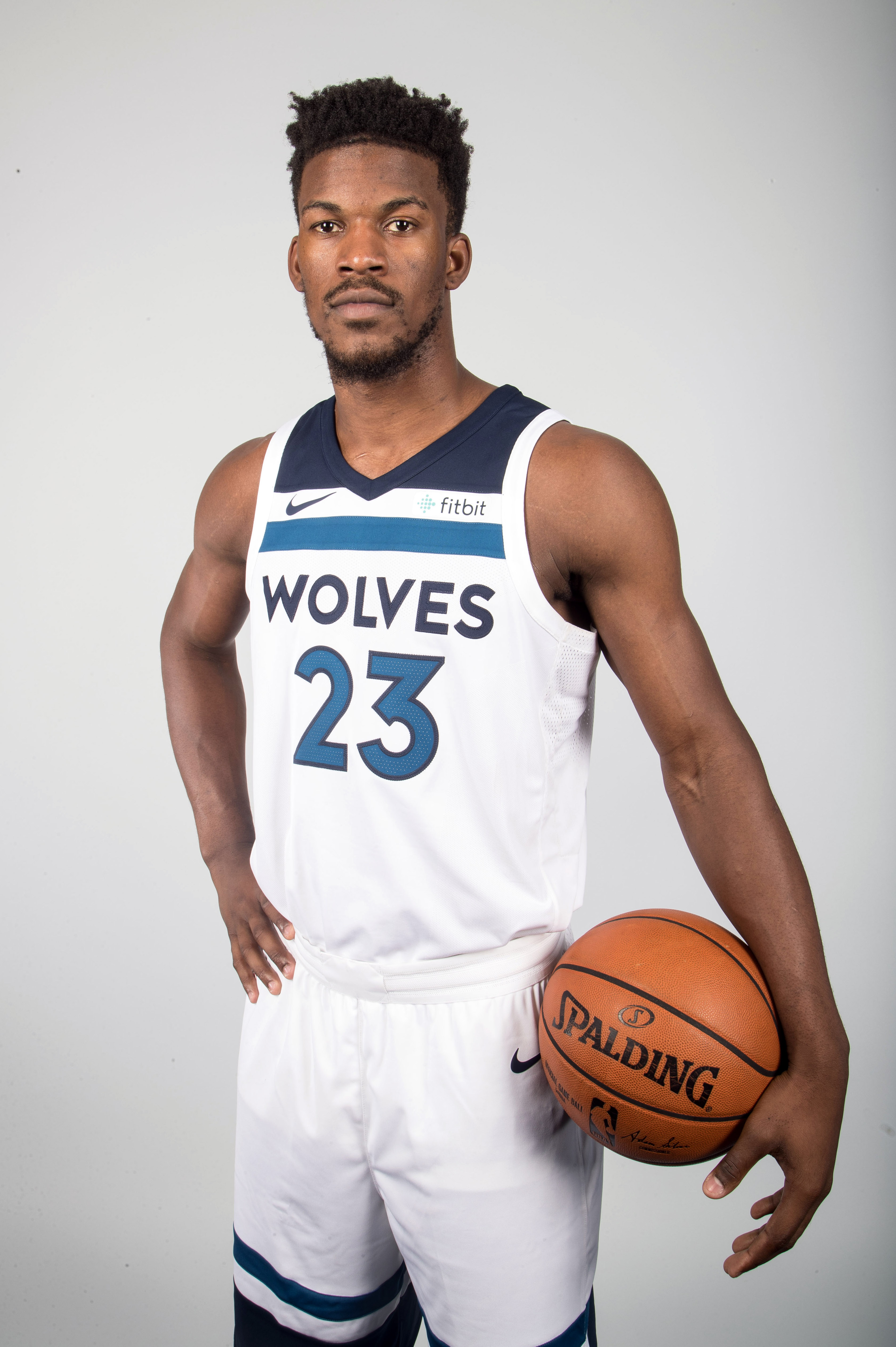
- Bojan Bogdanovic: Two years, $21MM. Second year partially guaranteed ($1.5MM).
- Darren Collison: Two years, $20MM. Second year partially guaranteed ($2MM).
- Edmond Sumner: Two-way contract. Two years, $50K guaranteed in each season.
- Alex Poythress: Two-way contract. Exact details not known.
Camp invitees:
- Damien Wilkins: One year, minimum salary. Partially guaranteed ($25K).
- DeQuan Jones: One year, minimum salary. Exhibits nine and 10.
- Trey McKinney-Jones: One year, minimum salary. Exhibits nine and 10.
- Ben Moore: One year, minimum salary. Exhibits nine and 10.
- Jarrod Uthoff: One year, minimum salary. Exhibits nine and 10.
Trades:
- Acquired the draft rights to Edmond Sumner (No. 52 pick) from the Pelicans in exchange for cash ($1MM).
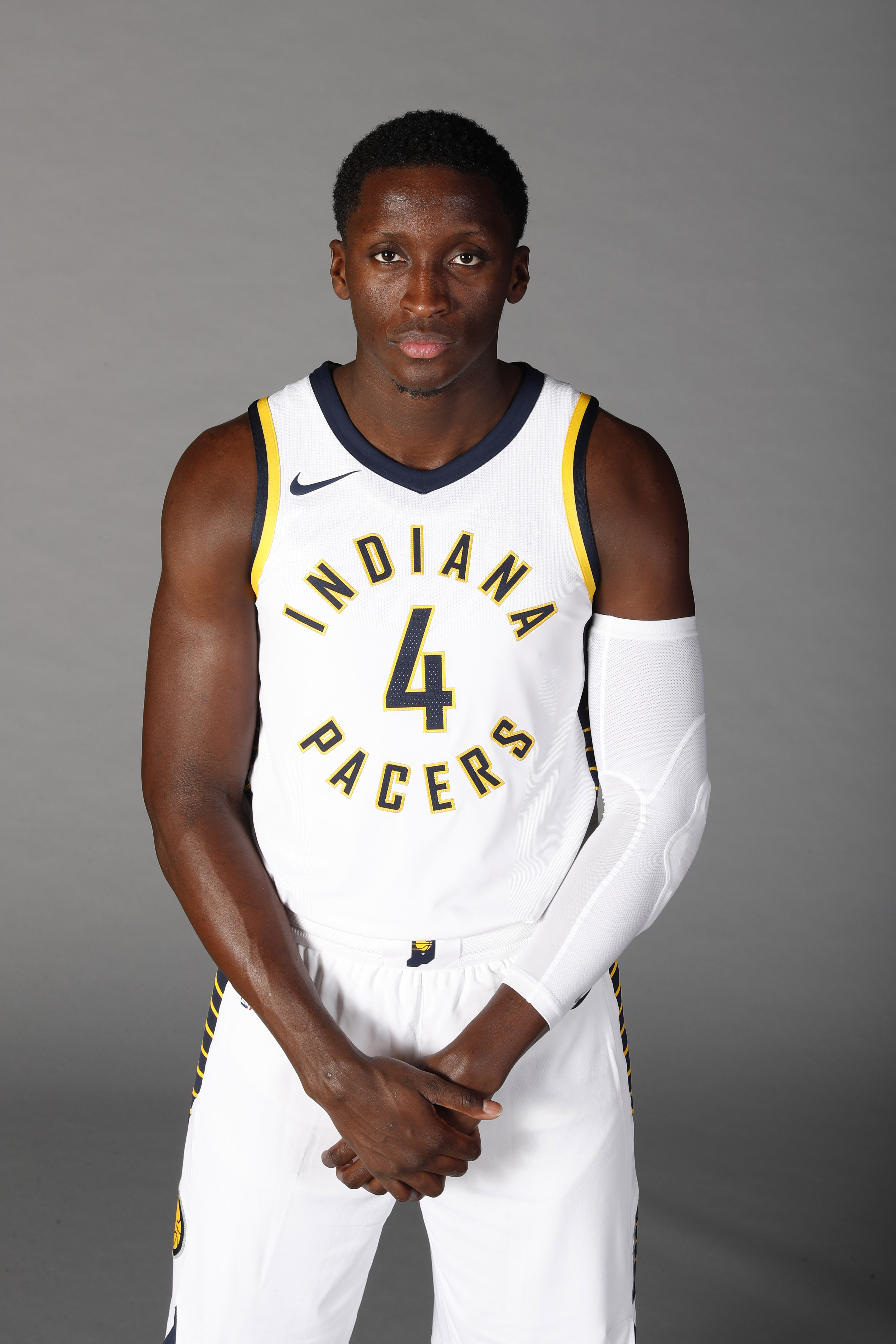
- Acquired Victor Oladipo and Domantas Sabonis from the Thunder in exchange for Paul George.
- Acquired Cory Joseph from the Raptors in exchange for the draft rights to Emir Preldzic.
Draft picks:
- 1-18: T.J. Leaf — Signed to rookie contract.
- 2-47: Ike Anigbogu — Signed to three-year, $3.947MM contract. Second year partially guaranteed ($690K). Third year non-guaranteed.
- 2-52: Edmond Sumner — Signed to two-way contract.
Departing players:
- Lavoy Allen (declined team option)
- Aaron Brooks
- Rakeem Christmas (waived)
- Monta Ellis (waived)
- Paul George
- C.J. Miles
- Georges Niang (waived)
- Kevin Seraphin (waived)
- Jeff Teague
Other offseason news:
- Larry Bird stepped down as president of basketball operations. GM Kevin Pritchard promoted to replace Bird.
- Hired Hornets executive Chad Buchanan to be general manager.
- Glenn Robinson III expected to be out until November or December due to ankle injury.
- Exercised 2018/19 team option on Myles Turner.
- Lakers fined $500K for tampering with Pacers/Paul George.
Salary cap situation:
- Operating under the cap. Can create up to about $7MM in cap room (carrying approximately $92MM in guaranteed salaries). Still have room exception ($3.29MM) available.
Check out the Indiana Pacers’ full roster and depth chart at RosterResource.com.
Story of the summer:
There’s no denying that, despite the good work they’ve done since, the biggest event of the Pacers’ summer was a disappointing one.
Reports in the spring indicated that 2018 free-agent-to-be Paul George had little interest in returning to Indiana, effectively forcing the team’s hand if it wanted anything in return for the outgoing star. In the wake of that news, all eyes turned to recently-appointed president of basketball operations Kevin Pritchard, suddenly thrust into the deep end of his new role.
While the Pacers have done an admirable job getting up off the mat and putting together a respectable squad that will make an effort to compete in the East, the club’s haul in the George trade that will be held under the microscope for years to come.
When word broke on the last day of June that Victor Oladipo and Domantas Sabonis would be on their way to Indiana in exchange for the disgruntled All-Star, some were left underwhelmed, considering what the Celtics had supposedly been willing to offer for George. Others were simply frustrated that the Pacers were even forced into such a precarious position in the first place.
Regardless of the circumstances of the deal that brought an end to the modern-day Pacers as we know them, the only thing that matters now is how the franchise rallies after sustaining the blow.
Four Teams Without G League Affiliates For 2017/18
The NBA G League – known as the D-League before a sponsorship deal was struck with Gatorade – continues to expand as the 2017/18 season approaches. A record-high 26 NBA teams will have direct, one-to-one relationships with G League squads this season, with most NBA clubs owning and operating their own affiliates.
That leaves just four teams without affiliates for the 2017/18 season. That doesn’t mean those four clubs aren’t allowed to assign players to the G League — the flexible assignment rule allows teams without an affiliate to assign players to other G League teams. Still, those clubs are at a disadvantage in a handful of ways.
NBA teams that control their own affiliates have hand-picked coaches to help develop their young players, and can ensure that the same systems are taught in both the NBA and the G League. When a team without an affiliate assigns a player to the G League, that player could end up with a different squad each time and won’t have the same sort of support system. Last season, for instance, Pelicans rookie Cheick Diallo spent time with the Austin Spurs, Greensboro Swarm, and Long Island Nets on various assignments.
Additionally, teams without a G League squad won’t have the opportunity to designate affiliate players when the regular season begins. Those affiliate players aren’t technically under control of an NBA team, but they often stick with a club’s G League squad after spending the preseason with that club.
Here are the four NBA teams without a G League affiliate for the 2017/18 season:
Denver Nuggets
- Candidates for assignment: Malik Beasley spent some time in the G League last season and could do so again in 2017/18. 2017 first-rounder Tyler Lydon may also see some G League action, since Denver has a pretty deep roster and may not have room for him in the rotation.
- Two-way players: Torrey Craig, SF; Monte Morris, PG
- Timeline for affiliate: A report from October 2016 suggested the Nuggets were eying a possible G League affiliate for the 2017/18 season, but it didn’t happen. It’s clearly on the club’s radar, and I’d be surprised if Denver doesn’t have an affiliate in place within the next couple years.
New Orleans Pelicans
- Candidates for assignment: As noted above, Diallo was a regular in the G League last year. He’s still raw and could see assignments again this season. Rookie guard Frank Jackson may also see G League action if he doesn’t crack the backcourt rotation in New Orleans.
- Two-way players: Charles Cooke, SG; Jalen Jones, G/F
- Timeline for affiliate: The Pelicans have reportedly narrowed their search for a G League home to two cities: Shreveport, Louisiana and Pensacola, Florida. The plan is to get a G League franchise in place for the 2018/19 season.
Portland Trail Blazers
- Candidates for assignment: The Blazers added a pair of rookies in this year’s draft, snagging Zach Collins and Caleb Swanigan. Both guys have the potential to make an impact in year one, but could be sent to the G League if they don’t earn regular minutes out of the gate. Jake Layman is also a candidate to return to the G League this year.
- Two-way players: C.J. Wilcox, SG
- Timeline for affiliate: There have been no clear indications that the Blazers will have an affiliate ready to go for 2018/19. It’s hard to imagine the franchise will remain on the sidelines for too much longer though.
Washington Wizards
- Candidates for assignment: If players like Sheldon Mac, Carrick Felix, or Daniel Ochefu make the opening night roster, they’ll be candidates for G League stints. Otherwise, this is a roster heavy on veterans — Chris McCullough might be the only other viable option for an assignment.
- Two-way players: Devin Robinson, SF; Michael Young, F
- Timeline for affiliate: The Wizards intend to set up a very local affiliate in time for the 2018/19 season, according to a June report.
Weekly Mailbag: 9/25/17 – 10/1/17
We have an opportunity for you to hit us up with your questions in this, our weekly mailbag feature. Have a question regarding player movement, the salary cap or the NBA draft? Drop us a line at HoopsRumorsMailbag@Gmail.com.
Did the Warriors’ level of concern in defending their title go up significantly with the Dwyane Wade signing? — Philip Malan, via Twitter
It’s hard to say if the Warriors are concerned about anything with so much talent on their roster, but Cleveland has been able to put together a very good offseason after a disastrous start. Wade adds more championship experience and figures to be energized after a wasted year in Chicago. It hasn’t been that long since he and LeBron James dominated the league in Miami, and their chemistry should redevelop quickly. The Cavaliers now have ridiculous depth on the wing that will be needed if they get into another Finals battle with Golden State. If Derrick Rose is playing as well as reports out of Cleveland indicate, the Cavs’ chances are as good as anyone’s to dethrone the champs.
Do you think LeBron will stay put next season now that his best buddy Dwayne Wade has joined the Cavs? — Greg Dizon
LeBron’s intentions will likely remain a mystery until he announces them next July. Having Wade on board can only help Cleveland’s chances, but he will be a free agent in nine months as well, so he and James could leave in a package deal. Or they could stay in Cleveland and try to recruit Chris Paul and Carmelo Anthony to form the “Banana Boat” squad that James talked about two years ago. The future remains unpredictable in Cleveland, and Wade’s presence doesn’t change that equation.
Do my Spurs have a chance to compete with the power teams that are now in the Western Conference? Do we need another superstar looking into free agency next year? — greecosuave1
San Antonio seemed to stand still this summer as the rest of the West got better — Rudy Gay was their only significant addition — so it’s easy to forget how good this team is. The Spurs won 61 games last season and extended their playoff streak to 20 years. Kawhi Leonard will still be an elite two-way player when he returns from a quadriceps injury, and there’s a very good supporting cast around him. By spring, San Antonio will be in its usual spot as a top contender and a threat to the NBA title. Looking ahead, Tony Parker‘s $15.45MM contract will come off the books after this season, and LaMarcus Aldridge, Danny Green, Joffrey Lauvergne and Gay all have player options, which could free up close to $43MM. So expect the Spurs to be aggressive on the free agent market in a year where there will be plenty of big names to chase.
Community Shootaround: Thunder’s Big Three
Thunder GM Sam Presti wrapped up an incredible offseason this week when Russell Westbrook signed a five-year, $205MM extension that ensures the reigning MVP will remain in Oklahoma City at least through the 2021-22 season.
Presti also added two of the best available players on the trade market in Paul George and Carmelo Anthony to bolster a team that won 47 games last season. OKC’s new Big Three figures to be one of the top scoring trios in the league, and many observers believe the Thunder are the top challenger to the Warriors in the West.
But now that Oklahoma City has its three stars, how long will they stay together? Westbrook will make more than $35.3MM next season when the extension kicks in, George is expected to opt out of a deal worth $20.7MM and become a free agent next summer, while Anthony has an early termination option on a nearly $28MM salary. ESPN’s Bobby Marks estimated that keeping all three would give the Thunder the first $300MM payroll, with $157MM going to salaries and $143MM in taxes.
George seemed like a lock to opt out and sign with the Lakers, but he said Westbrook’s extension may give him a reason to stay in OKC. Anthony, who will turn 34 in May, is unlikely to find a better deal in free agency, although he could be planning to join his “Banana Boat” friends in Cleveland, Los Angeles or somewhere else.
That brings us to tonight’s question: Will George and Anthony both be with Westbrook in Oklahoma City when training camp opens next year? Please share your thoughts in the space below. We look forward to your responses.
Hoops Rumors Originals: 9/24/17-9/30/17
Every week, the Hoops Rumors writing team compiles original content to complement our news feed. Here are our segments and features from the past seven days:
- Luke Adams took a closer look at Five Notable Free Agents still looking for jobs with training camps in full swing.
- Our weekly mailbag answered questions on Carmelo Anthony‘s impact on the Thunder and the Knicks’ chances of shedding Joakim Noah‘s contract.
- Our Offseason in Review series examined the Lakers, Suns, Pelicans, Raptors and Hornets.
- We conducted polls for the win totals of the Grizzlies, Pistons and Pelicans. We also asked our readers to decide which team is the Warriors’ biggest threat this season.
- Our Contract Extension Tracker is the best way to follow all the players who are eligible to receive extensions this fall.
- If you don’t have it already, be sure to download the Trade Rumors app for iOS/Android and give it a try.
Five Notable Veteran Free Agents Still Available
While most noteworthy free agents came off the board in July, September brought with it a wave of pre-camp signings that saw the last few restricted free agents locked up, along with veteran unrestricted free agents like Tony Allen, Dante Cunningham, Aaron Brooks, and Shabazz Muhammad.
That wave of pre-camp signings created a scarcity of viable options on the list of 2017 free agents, but the shrinking group of available options still features a handful of intriguing vets. Here’s a breakdown of five names worth keeping an eye on:
- Deron Williams, PG: While the former third overall pick is obviously no longer the player he was seven years ago – when he averaged 20+ PPG and 10+ APG – it was just last summer that he received $9MM from the Mavericks to be the club’s starting point guard. For the season, Williams averaged a respectable 11.0 PPG and 5.6 APG, with a .363 3PT% in 64 games for the Mavs and Cavs, but a disastrous showing in the NBA Finals against Golden State diminished his value heading into 2017/18. Still, he’s only 33 years old, and it would be surprising if he didn’t get an opportunity with an NBA team as a backup point guard this year.
- Monta Ellis, SG: Ellis is facing a five-game suspension to start the 2017/18 season and is coming off his worst year (8.5 PPG) since his rookie season. He’s not far removed from a 2014/15 campaign in which he averaged 18.9 PPG though, and while he’ll likely never match that figure again, this is only his age-32 season. He should still have something in the tank and could appeal to a team seeking a scorer off the bench.
- David Lee, PF: Like Ellis, Lee posted his worst scoring average since his rookie year last season, recording just 7.3 PPG. But Lee’s declining numbers were mostly a result of his new role in San Antonio — his .590 FG% was his best mark in a decade, and his per-minute averages weren’t far off from his career rates. Given how the value of offensive-minded, low-post bigs around the NBA has declined in recent years, however, it’s not a huge surprise that Lee has had trouble finding work.
- Derrick Williams, PF: Williams, of course, hasn’t lived up to the hype that surrounded him when he was selected second overall in the 2011 draft. But he was a part of the Cavaliers team that went to the NBA Finals last season, and was solid when he saw action for the team, scoring 6.2 PPG on 50.5% shooting in 25 regular season contests. If former No. 1 pick Anthony Bennett can get a training camp invite from an NBA team, it seems like Williams should be on a roster too.
- Spencer Hawes, C: Hawes’ contract made him an expendable piece in 2017, first in Charlotte and then in Milwaukee. After acquiring him at the trade deadline, the Bucks waived and stretched him in August to avoid the luxury-tax threshold. Like most of the other players on this list, Hawes’ best days are probably behind him, but his ability to knock down the occasional three-point shot (.350 career 3PT%) and to help out on the glass (9.0 career rebounds per 36 minutes) could make him a target for teams in need of frontcourt help.
Photo courtesy of USA Today Sports Images.
2017 Offseason In Review: Toronto Raptors
Hoops Rumors is breaking down the 2017 offseason for all 30 NBA teams, revisiting the summer’s free agent signings, trades, draft picks, departures, and more. We’ll evaluate each team’s moves from the last several months and look ahead to what the 2017/18 season holds for all 30 franchises. Today, we’re focusing on the Toronto Raptors.
Signings:
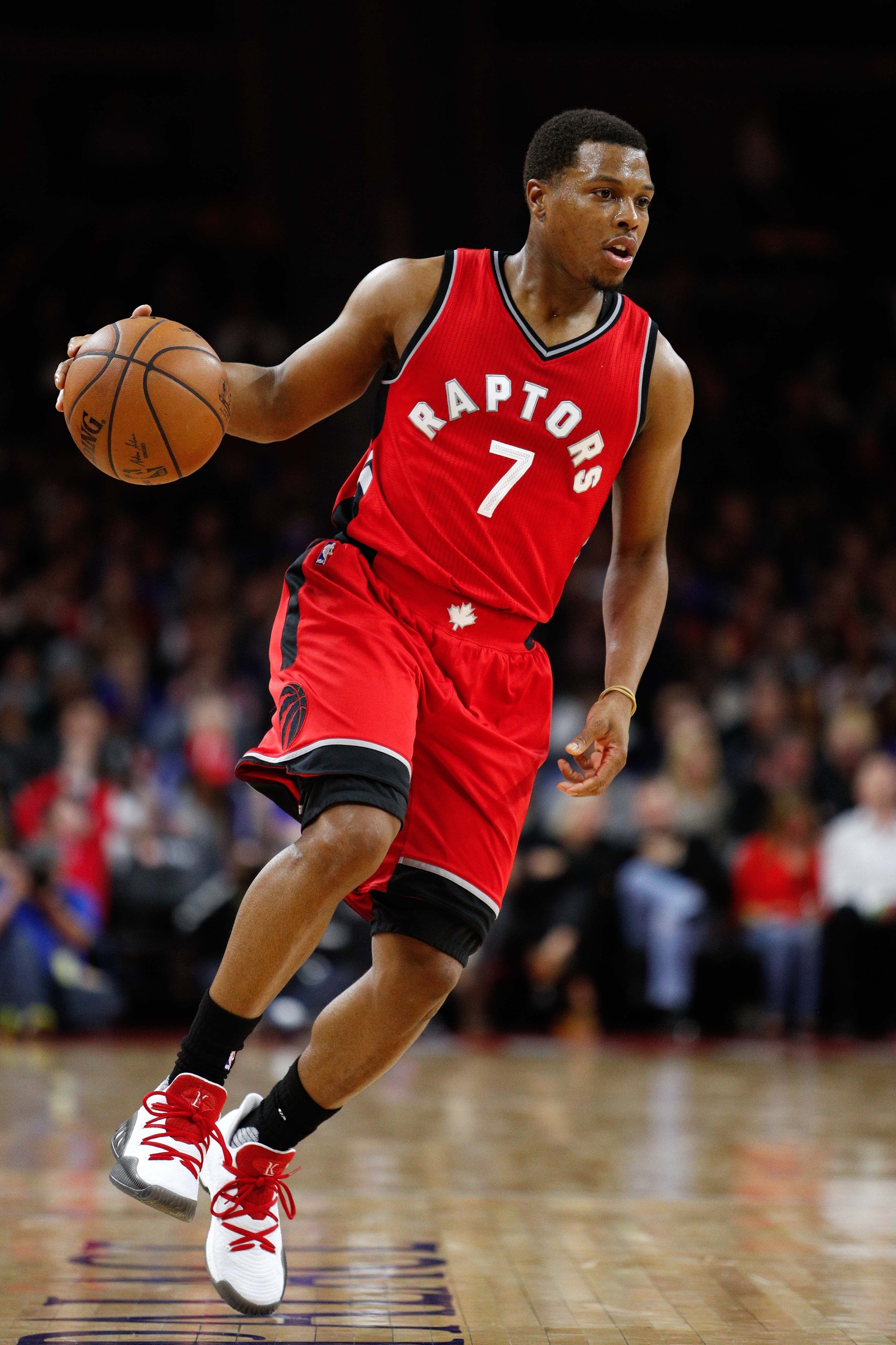
- Kyle Lowry: Three years, $93MM. Includes unlikely incentives.
- Serge Ibaka: Three years, $65MM.
- C.J. Miles: Three years, $25MM. Third-year player option.
- Lorenzo Brown: Two-way contract. One year, $50K guaranteed.
- Malcolm Miller: Two-way contract. One year, $50K guaranteed.
Camp invitees:
- Alfonzo McKinnie: Two years, minimum salary. $100K guarantee.
- K.J. McDaniels: One year, minimum salary. $100K guarantee.
- Kennedy Meeks: One year, minimum salary. Summer contract.
- Kyle Wiltjer: One year, minimum salary. Summer contract.
- Andy Rautins: One year, minimum salary. Exact terms not yet known.
Trades:
- Acquired Magic’s 2018 second-round pick from the Magic in exchange for the right to hire Jeff Weltman.
- Acquired Justin Hamilton from the Nets in exchange for DeMarre Carroll, the Raptors’ 2018 first-round pick (top-14 protected), and a 2018 second-round pick (less favorable of Lakers and Magic picks).
- Acquired the draft rights to Emir Preldzic from the Pacers in exchange for Cory Joseph.
Draft picks:
- 1-23: OG Anunoby — Signed to rookie contract.
Departing players:
- DeMarre Carroll
- Cory Joseph
- Patrick Patterson
- P.J. Tucker
Other offseason news:
- Promoted Bobby Webster to general manager after GM Jeff Weltman left to become Magic’s president of basketball operations.
- Tendered qualifying offer to Nando De Colo to retain RFA rights.
Salary cap situation:
- Operating over the cap and slightly under the tax. Hard capped. Carrying approximately $117MM in guaranteed salary. Full bi-annual exception ($3.29MM) still available.
Check out the Toronto Raptors’ full roster and depth chart at RosterResource.com.
Story of the summer:
The Raptors faced an existential fork in the road this summer and made the decision to keep their core in place. By re-signing Kyle Lowry and Serge Ibaka, the club doubled down on a formula that has delivered mixed results, depending on whom you ask.
Put simply, the Medium Three of DeMar DeRozan, Lowry, and Ibaka may not be enough to legitimately contend with the Cavaliers or Celtics, but it’s reasonably safe to say it’s enough to clinch home-court advantage in the first round of the playoffs in the watered-down Eastern Conference.
To afford Lowry and Ibaka, owed $28.7MM and $20.1MM this season, Toronto needed to drastically limit future financial flexibility and also forego some of its peripheral core, including several prominent rotation pieces.
The jury is out on whether or not the Raps’ decision to stick with their stars as opposed to explore a more intensive overhaul was a smart one, but that’s a question for basketball philosophers.
Will the moves bring the franchise the success that it pines for? And what constitutes success for a fringe contender in the Super-Team Era anyway?